US President Donald Trump has signed a memorandum of understanding with Iran intended to bring an end to the conflict between the two countries.
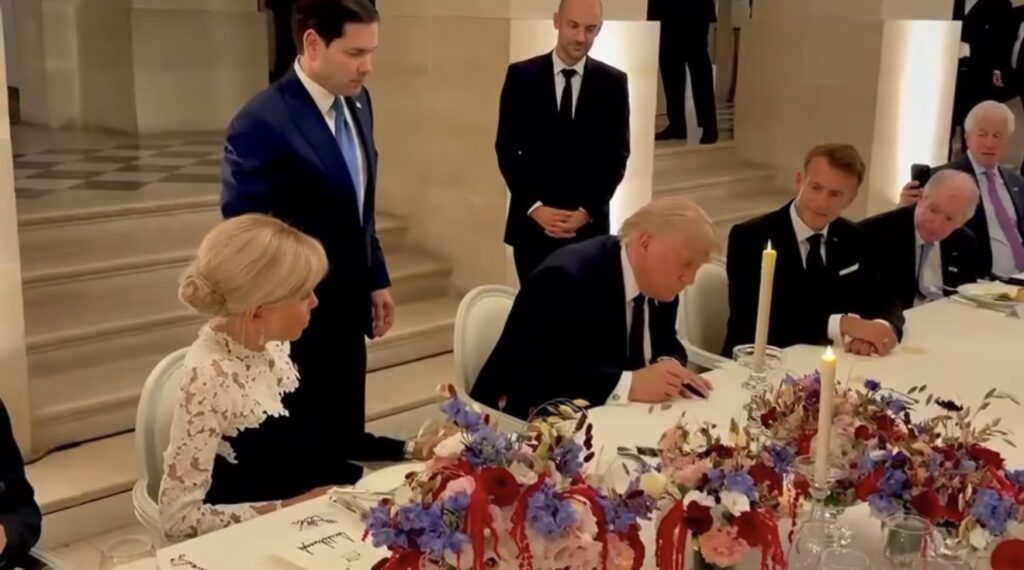
Trump signed the agreement on Wednesday evening, June 17, shortly before attending a state dinner hosted by French President Emmanuel Macron at the Palace of Versailles. Iranian President Masoud Pezeshkian signed the same document earlier in the day in Tehran.
US Vice President JD Vance is expected to formally endorse the agreement during a ceremony in Geneva on Friday.
Iran’s chief negotiator, Mohammad Bagher Ghalibaf, described the deal as “a record of US failure,” adding that “people will see it and judge.”
Trump defended the agreement, arguing that his administration had taken a tougher stance on Iran than any previous US government. He also pointed to the positive reaction from financial markets, saying, “There is nothing as smart as the market — and the market loves it.”
The president further argued that the agreement had helped avert a global economic crisis.
“The alternative would have been a worldwide depression,” Trump said. “If we had not reached a deal, the Strait of Hormuz would never have been opened. They don’t like moving billion-dollar ships through the strait when rockets are flying overhead and mines are in the water.”
Related News:
Iran President Refuses to Back Down After US Cargo Ship Seizure
Under the terms of the agreement, Iran would receive significant economic incentives, including the immediate lifting of a US naval blockade on Iranian ports and waivers allowing Iranian crude oil exports to resume. The deal also opens the door to the removal of international sanctions, the release of billions of dollars in frozen Iranian assets, and the creation of a $300 billion (£224 billion) reconstruction fund backed by Gulf regional partners.
In return, Iran would commit to restraining allied groups, including Hezbollah in Lebanon, and reaffirm that it will neither pursue nor develop nuclear weapons.
The agreement also guarantees toll-free passage through the Strait of Hormuz for 60 days. However, Ghalibaf said on Wednesday that Iran intends to begin charging vessels using the waterway once the period outlined in the memorandum expires.
About the Author