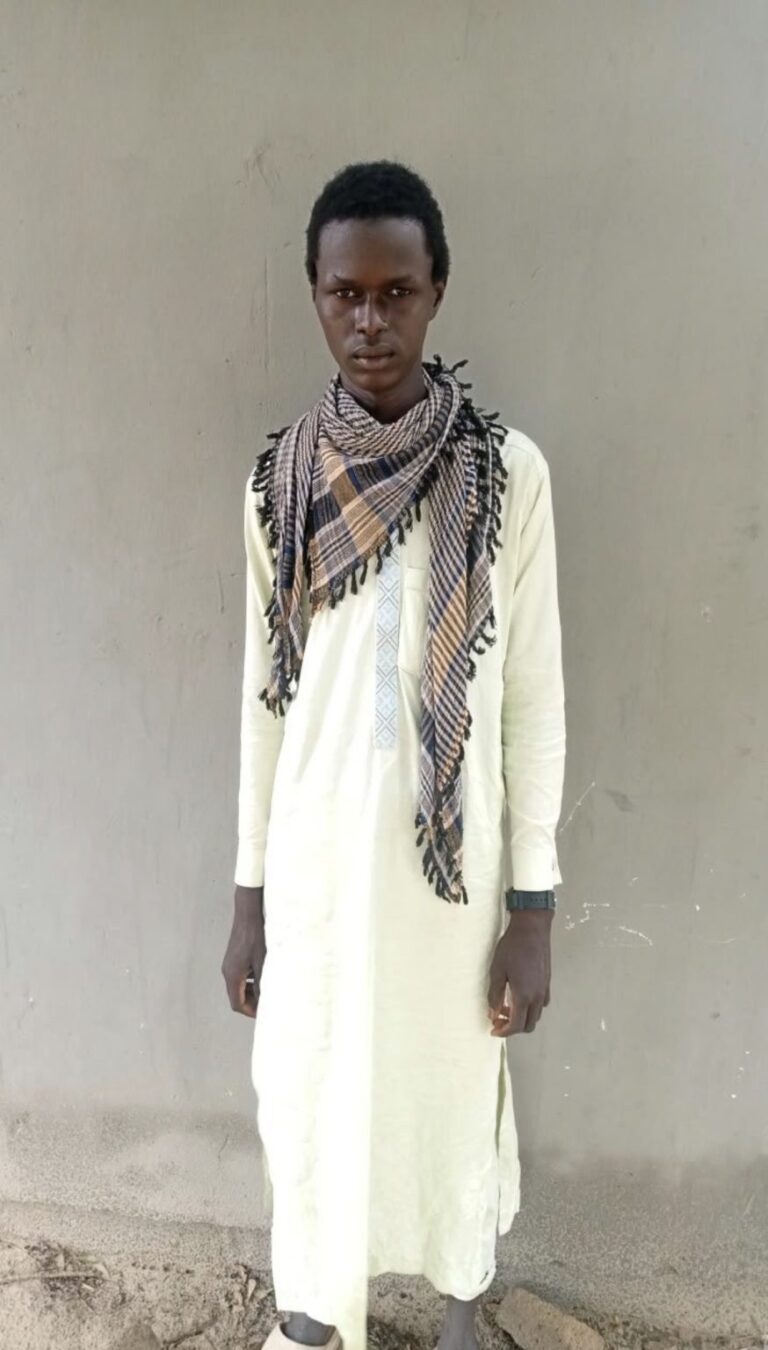
Tension erupted in Abuja on Monday as human rights activist Omoyele Sowore joined other protesters to storm the Federal Ministry of Justice, demanding the release of blogger Chidiebere Mark, popularly known as “Justice Crack,” who is currently in the custody of the Department of State Services (DSS).
The protesters occupied parts of the ministry premises, insisting that the Attorney General of the Federation and Minister of Justice intervene in the case and discontinue the prosecution against the blogger.
Their action followed a ruling by the Federal High Court in Abuja, where Justice Joyce Abdulmalik ordered that Chidiebere be remanded in DSS custody after he was arraigned on charges of incitement.
Security at the court was reportedly tight during the arraignment, with journalists barred from covering the proceedings. Members of the Take It Back Movement also staged a protest outside the court, chanting for his immediate release.
Related News:
Cyber attack: British authorities announces arrest of 17-year-old
Army arrests blogger ‘Justice Crack’ over chats with soldiers on welfare complaints
Actor Don Richard debunks death rumours, says he is “hale and hearty”
“Release Justice Crack! He is innocent!” the demonstrators shouted.
The case has drawn widespread attention, especially following allegations surrounding the blogger’s earlier detention.
Reports claim he was transferred from the Nigerian Army to the DSS after being accused of inciting soldiers and undermining military authority.
Family members and supporters have alleged that he was subjected to inhumane treatment during military custody, including claims that he was chained outdoors for extended hours allegations that have sparked public outrage and calls for accountability.
Sowore and other activists accused security agencies of attempting to justify what they described as unlawful detention, insisting that the blogger should be released unconditionally rather than prosecuted.
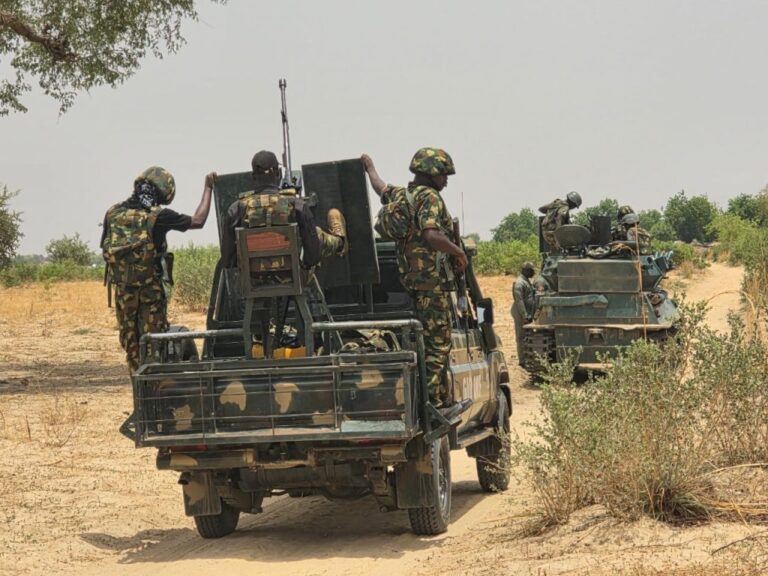
However, the Nigerian Army has defended its actions, stating that the blogger engaged soldiers in conversations that could incite discontent within the ranks and threaten discipline and national security.
As the controversy continues, Monday’s protest adds to growing public pressure on authorities over the handling of the case, which has become a wider debate about free speech, human rights, and security agency conduct in Nigeria.
About The Author