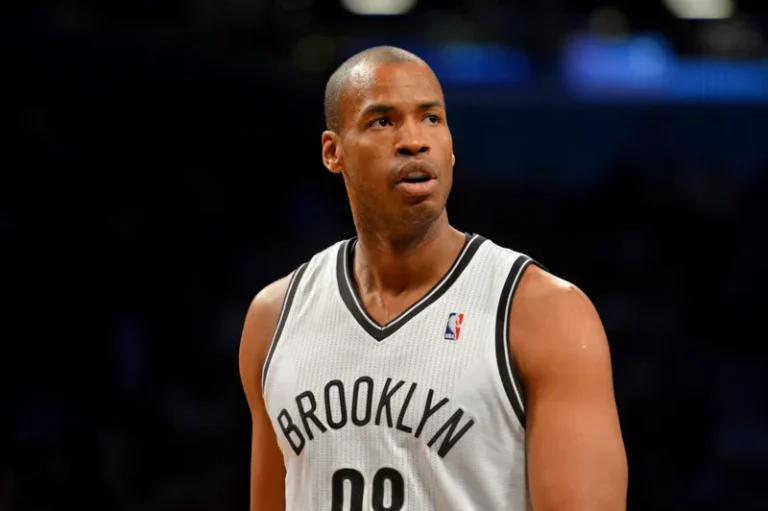
Former NBA center Jason Collins has died at the age of 47 following a battle with glioblastoma, an aggressive form of brain cancer.
According to reports released through the National Basketball Association on Wednesday, May 13, 2026, Collins passed away after what his family described as a “valiant fight” with the illness.
Collins publicly disclosed in 2025 that he had been diagnosed with the disease after suffering concentration problems. Doctors later discovered a rapidly spreading brain tumour, which he once described as “a monster with tentacles spreading across the underside of my brain.”
The former basketball star underwent several treatments, including targeted chemotherapy, Avastin medication and specialist medical care abroad in an effort to slow the cancer’s progression.
NBA Commissioner Adam Silver paid tribute to Collins, praising his influence both on and off the court.
“Jason Collins’ impact and influence extended far beyond basketball as he helped make the NBA, WNBA, and larger sports community more inclusive and welcoming for future generations,” Silver said.
Collins made history in 2013 when he became the first active male athlete in a major American professional team sport to publicly come out as gay.
His announcement, published in Sports Illustrated, was widely viewed as a landmark moment for LGBTQ representation in professional sports.
Related News:
SWAN Mourns Loss of Two Veteran Sports Journalists
Arsenal, Real Madrid, Manchester United Among Qualified UCL Teams
NBA Mourns as Brandon Clarke Passes Away at 29
Real Madrid Fine Federico Valverde, Aurélien Tchouaméni €500,000 Each After Training Ground Clash
After coming out, Collins later returned to the NBA with the Brooklyn Nets, the franchise where he began his professional career.
During a 13-year NBA career, Collins also played for teams including the Atlanta Hawks and Boston Celtics, earning respect for his defensive ability and leadership in the locker room.
Following news of his death, the Nets described themselves as “heartbroken,” praising Collins for both his sporting contributions and his courage in advancing inclusion within basketball.
After retiring in 2014, Collins continued advocacy work promoting inclusion in sports and was later named among Time Magazine’s 100 most influential people.
He also appeared alongside his twin brother, former NBA player Jarron Collins, at the 2016 Democratic National Convention.
Former Stanford University basketball coach Mike Montgomery described Collins’ death as a sad moment for the basketball community.
Collins is being remembered as a trailblazing athlete whose openness and courage helped reshape attitudes toward LGBTQ athletes in professional sports.
About The Author