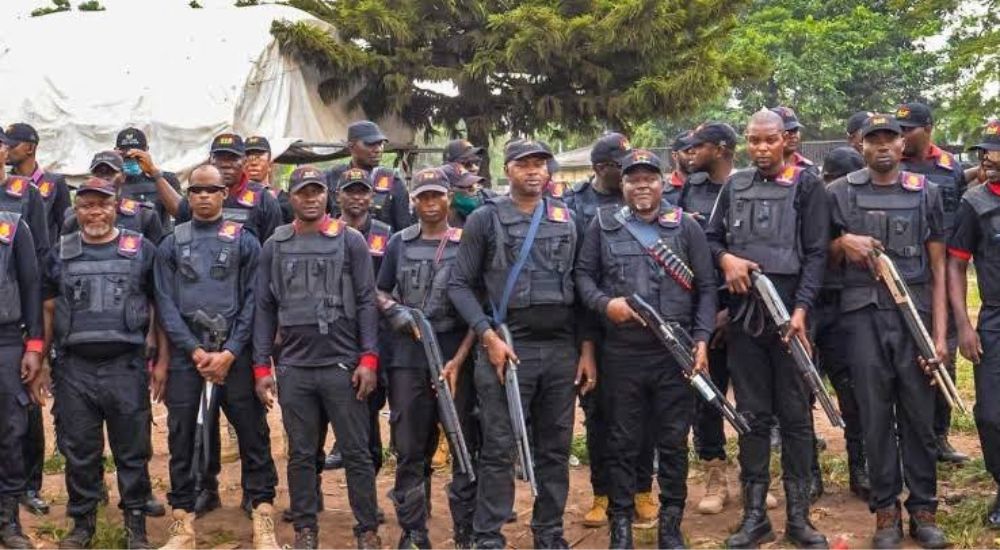
DIG Ishyaku Mohammed calls for active citizen participation in tackling insecurity across communities
The Nigeria Police Force has reiterated that ensuring safety and security across the country is a shared responsibility, urging citizens to actively report suspicious activities and support law enforcement efforts.
The Coordinating Deputy Inspector-General of Police in charge of the North Central zone, Ishyaku Mohammed, made this appeal during a stakeholders’ engagement held at the Kogi State Police Command headquarters in Lokoja.
Speaking on behalf of the Inspector-General of Police, Mohammed emphasized the importance of community involvement in crime prevention, noting that the police alone cannot effectively secure the nation without the cooperation of the public.
“Security is everybody’s business. The Police cannot do it alone. We need the active participation of citizens to protect our communities,” he stated.
The engagement brought together key stakeholders, including traditional rulers, youth leaders, members of the Police Community Relations Committee, civil society organizations, the Nigerian Bar Association, and student representatives.
Mohammed highlighted the critical role of timely information in combating crime, describing it as one of the most powerful tools available to security agencies.
Related News:
Gunmen Kill Former Ogun Broadcaster, Security Guard in Abeokuta
Security Concerns Deepen After Fresh Attack in Sabu Gangale
Kogi Varsity Bans Vehicles, Tightens Security After Student’s Killing
“There is no useless information. A single tip can prevent kidnapping, stop armed robbery, or even save lives,” he said.
He urged Nigerians to make use of existing emergency lines and communication channels to report criminal activities such as suspicious movements, illegal possession of firearms, drug trafficking, and unusual gatherings.
The DIG also called on community leaders, parents, and religious institutions to play proactive roles in maintaining peace and guiding young people away from criminal activities.
He further warned against shielding criminals, stressing that protecting offenders only worsens insecurity within communities.
“Anyone who harbours criminals becomes an enabler of crime. Communities must reject such elements and deny them safe haven,” he added.
Reaffirming the commitment of the police, Mohammed assured residents that security agencies would continue to work tirelessly to safeguard lives and property, but stressed that success depends largely on public cooperation.
He concluded by encouraging citizens to remain vigilant and proactive, noting that prevention remains the most effective strategy in tackling insecurity.
About the Author