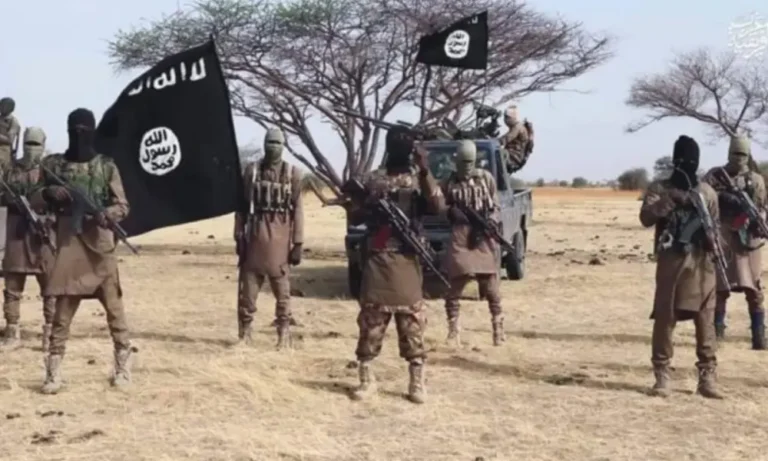
Former Boko Haram insurgents have shared chilling accounts of life inside the dreaded Sambisa Forest, exposing how manipulation, fear, and distorted religious teachings kept thousands trapped in years of violence.
The ex-combatants, many of whom have now surrendered and undergone rehabilitation, revealed that they were misled into believing they were fighting a holy war.
According to them, the group relied heavily on false interpretations of the Qur’an, psychological control, and threats to maintain loyalty among fighters.
One former fighter, identified as Liman, recounted how he was forcibly recruited in 2014 after fleeing his hometown in Borno State. Instead of finding safety, he walked straight into the hands of insurgents.
“They told us we were doing Allah’s work,” he said. “But the life there was harsh, controlled, and filled with fear.”
Life inside the camps was described as highly regimented. Communication with the outside world was nearly impossible, as phones were confiscated and only top commanders had limited access.
Fighters were constantly monitored, and escape attempts were met with severe punishment.
Another ex-member, Mohammed Ibrahim, who spent over a decade with the group, expressed deep regret over his involvement.
“I wasted years of my life in violence when I could have done something meaningful,” he admitted.
A former Boko Haram cleric, Malam Bashir, also revealed how internal conflicts and ideological disagreements nearly cost him his life.
After challenging the group’s leader over misinterpretation of Islamic teachings, he was imprisoned and sentenced to death.
“I was told I would be executed after Sallah,” he said. “But I escaped when chaos broke out following internal clashes.”
The ex-insurgents disclosed that leaders used fear tactics to discourage defections, often spreading false claims that the Nigerian military would kill or harm anyone who surrendered.
Related News:
Wanted Boko Haram Informant Arrested in Borno
Troops Arrest Suspected Boko Haram Logistics Supplier in Borno
Troops Ambush Boko Haram Tax Collectors, Recover Weapons in Borno
“They told us the government would inject us with deadly substances,” Bashir explained. “It was all lies to keep us from leaving.”
Despite these threats, many fighters eventually fled due to frustration, disillusionment, and encouragement from family members and government outreach programs.
Some revealed that messages dropped near camps and appeals from loved ones played a critical role in their decision to surrender.
According to government sources, over 100,000 insurgents and their families have surrendered in the past five years under the “Borno Model” a non-kinetic strategy focused on dialogue, rehabilitation, and reintegration.
The initiative, championed by Borno State Governor Babagana Zulum, operates on three key pillars: Disarmament, Demobilisation, and Deradicalisation.
Rehabilitated individuals undergo religious reorientation, civic education, and vocational training before being reintegrated into society.
Officials confirm that at least 9,680 low-risk former fighters have successfully returned to their communities, with increasing acceptance from local leaders.
Security experts and civil society groups say while challenges remain, the programme has contributed significantly to stabilising the region.
“There is no perfect solution,” a regional analyst noted. “But reintegration offers a pathway to peace and prevents a return to violence.”
Many former fighters are now rebuilding their lives, with some enrolling their children in schools—breaking a cycle that once fueled extremism.
The revelations provide rare insight into the inner workings of insurgent groups and highlight the importance of continued rehabilitation efforts in Nigeria’s fight against terrorism.
About the Author