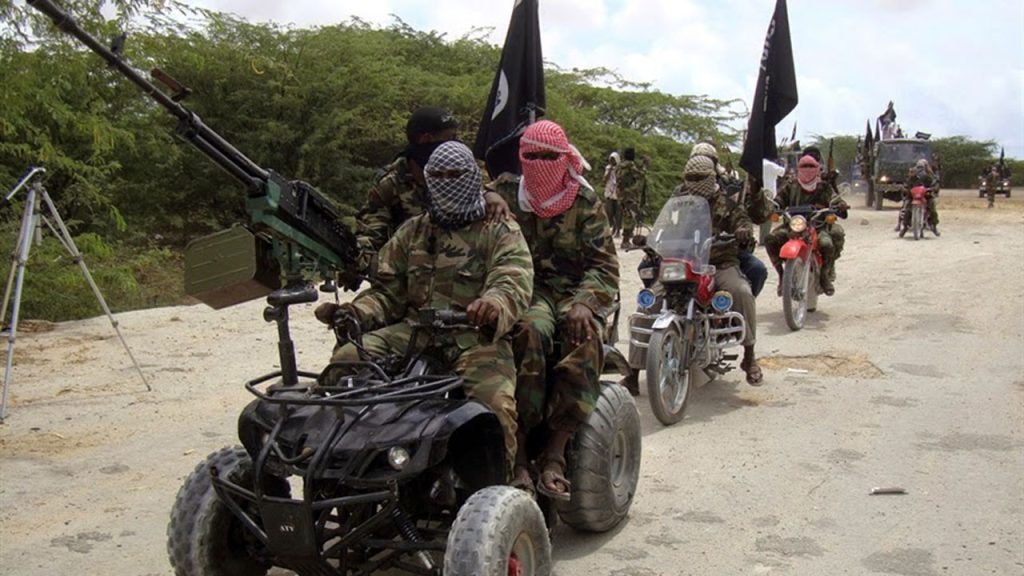
A fierce and deadly confrontation between rival terrorist groups, Boko Haram and the Islamic State West Africa Province (ISWAP), has left scores of fighters dead in the Lake Chad region, raising fresh security concerns across surrounding communities.
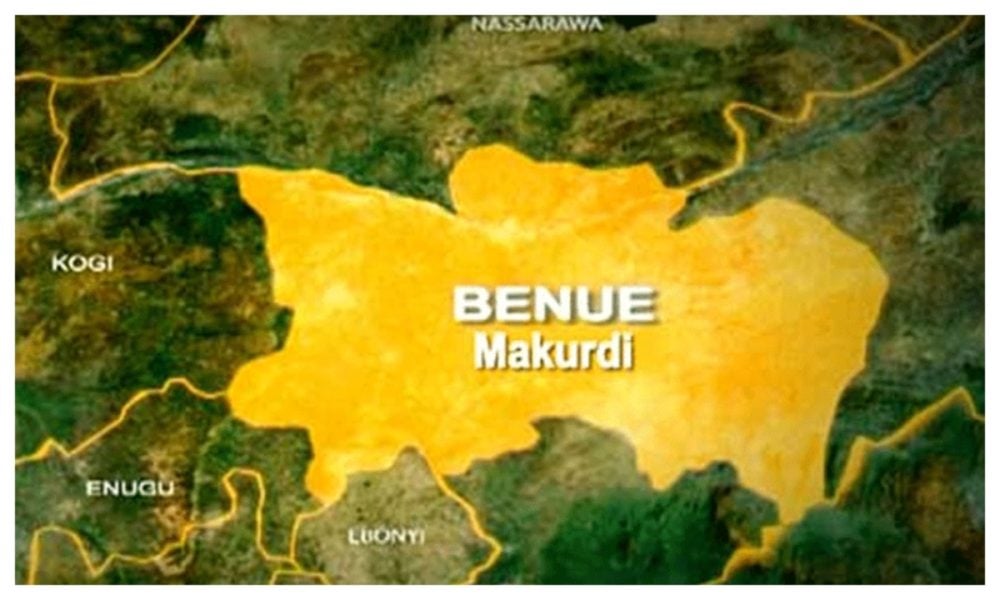
The clash reportedly occurred around Mangari and Tumbun Allura in the Lake Chad Islands, areas known for their strategic importance in the movement of fighters, weapons, and supplies.
The battle is the latest in a long-standing rivalry between the two factions, both seeking dominance over territory, logistics routes, and recruitment networks.
According to security sources, Boko Haram—formally known as Jama’atu Ahlis Sunna Lidda’awati wal-Jihad (JAS)—gained the upper hand during the early phase of the confrontation.
The group allegedly killed dozens of ISWAP fighters and seized two operational boats before retreating to its stronghold in Kurnawa.
Although the exact number of casualties has not been independently verified, the loss of fighters and equipment is considered a significant blow, particularly the capture of the boats, which are critical for navigating the waterways of the Lake Chad basin.
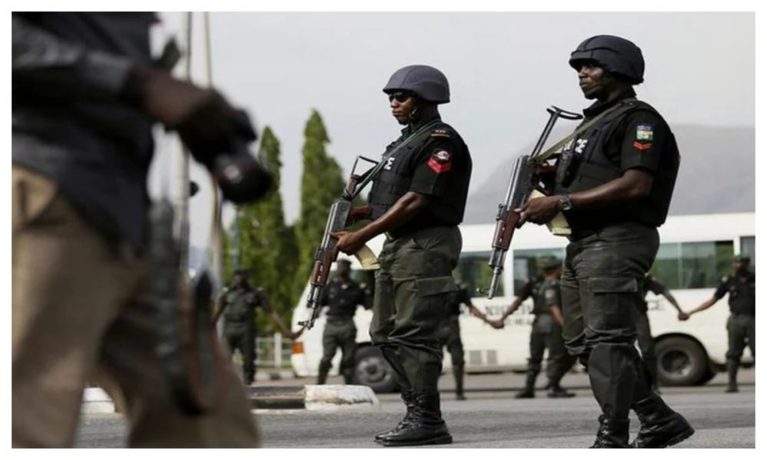
In response to the incident, military formations across the region have been placed on heightened alert. Troops stationed in key locations including Mallam Fatori, Baga, Cross Kauwa, and Kukawa are closely monitoring the movement of fleeing insurgents to prevent further attacks.
Related News:
Troops Arrest Two Suspected ISWAP Collaborators in Borno
Precision Airstrike Targets Suspected ISWAP Gathering in Borno
Three ISWAP Fighters Surrender to Nigerian Troops in Borno
Security analysts warn that surviving fighters may attempt to regroup or launch isolated attacks, including ambushes using improvised explosive devices (IEDs), as they try to reestablish control and rebuild their operational capacity.
While the internal conflict may temporarily weaken both factions by reducing manpower and disrupting supply chains, it also presents new risks. Displaced fighters could target nearby communities or seek refuge in civilian areas, heightening insecurity across the region.
There are also indications that the prolonged rivalry could lead to defections or surrenders, as some fighters grow disillusioned with the ongoing violence between the groups.
Military authorities are reportedly considering intensified operations to take advantage of the situation. These measures include increased patrols, precision strikes, and expanded intelligence and surveillance efforts aimed at tracking and neutralizing fleeing insurgents.
Despite potential short-term gains, security officials caution that the situation remains volatile, with the possibility of retaliatory attacks and unpredictable shifts in insurgent activities across the Lake Chad region
About the Author