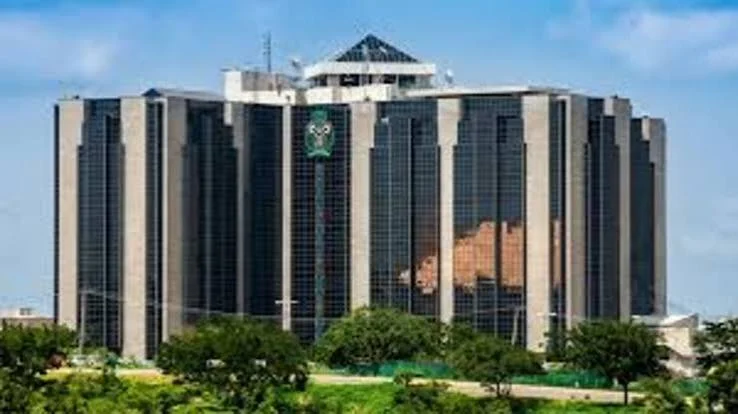
The Central Bank of Nigeria (CBN) has ordered all banks and financial institutions across the country to immediately freeze the accounts and assets of individuals and organisations linked to terrorism financing.
The directive, issued in a circular dated June 24, 2026, follows updated sanctions released by both Nigerian authorities and the United States government targeting suspected financiers of terrorist activities.
According to the apex bank, the updated Nigeria Sanctions List aligned with international measures requires strict and immediate compliance from all regulated institutions, including commercial banks and payment service providers.
Six individuals were named under the sanctions, alongside four Bureau de Change operators allegedly connected to them.
Financial institutions have been instructed to identify and freeze all funds, assets, and economic resources linked directly or indirectly to the designated persons or entities without prior notice.
The CBN further mandated banks to screen all existing customers, transactions, and beneficial owners against the updated sanctions list. Any suspicious matches must be reported promptly to the Nigerian Financial Intelligence Unit (NFIU).
Related News:
Cybersecurity levy suspension stands – CBN
CBN Upgrades Opay, Moniepoint, Others to National Licenses
CBN Removes Deposit Limits, Raises Weekly Withdrawal Amount
Institutions are also required to submit compliance reports within 48 hours, detailing any accounts identified, funds frozen, and actions taken. Even banks with no matches must file mandatory “nil returns.”
As part of the enforcement, the regulator warned that failure to comply or submission of false information would attract strict penalties under the Banks and Other Financial Institutions Act (BOFIA) 2020.
The move comes amid intensified global efforts to disrupt terrorism financing networks. Recent actions by U.S. authorities also targeted individuals and entities accused of facilitating financial flows linked to extremist groups.
The CBN reaffirmed its commitment to safeguarding the integrity of Nigeria’s financial system, noting that it will carry out inspections and supervisory checks to ensure full compliance with the directive.
This latest development signals a tougher stance by regulators as Nigeria strengthens its financial surveillance framework against illicit funding and security threats.
About the Author