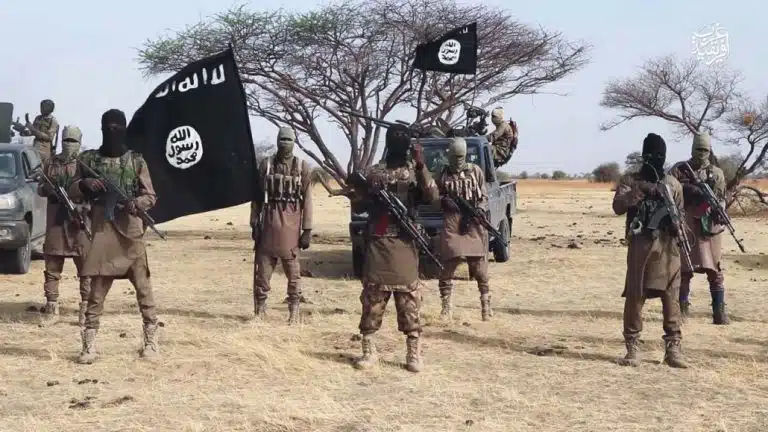
Suspected Boko Haram insurgents have reportedly demanded that the Nigerian government enter into negotiations and pay a ransom for the release of 13 travellers who have remained in captivity for over 100 days.
The victims were abducted on April 15, 2026, along the volatile Biu–Damaturu highway in Borno State. More than three months later, their families say they have received little to no response from authorities, despite repeated appeals.
According to a family source, the kidnappers recently allowed one of the hostages to make a phone call to his relative in Abuja. During the call, the insurgents reportedly reiterated their demand for government intervention and ransom payment as a condition for the victims’ release.
Among those held captive are women and children, including a nursing mother and her infant. Disturbingly, reports indicate that one of the abducted women may have given birth while in captivity, raising serious concerns about the health and welfare of both mother and child.
Related News:
Wanted Boko Haram Informant Arrested in Borno
Troops Arrest Suspected Boko Haram Logistics Supplier in Borno
Troops Arrest Two Suspected Boko Haram Members in Borno
Relatives of the victims have expressed frustration over what they describe as silence from both the Federal Government and the Borno State Government. Some families also alleged that the attackers deliberately targeted certain passengers during the abduction.
The travellers were reportedly seized when armed insurgents intercepted commercial vehicles near the Kamuya axis, forcing several passengers into the Sambisa Forest corridor while releasing a few others, including drivers and elderly individuals.
This latest development comes despite Nigeria’s Terrorism (Prevention and Prohibition) Act, 2022, which criminalises the payment of ransom to terrorists.
The Federal Government has consistently maintained its stance against negotiating with insurgent groups, citing concerns that such actions could encourage further kidnappings.
As the situation drags on, families of the victims continue to call for urgent intervention, fearing for the safety and survival of their loved ones in prolonged captivity.
About the Author