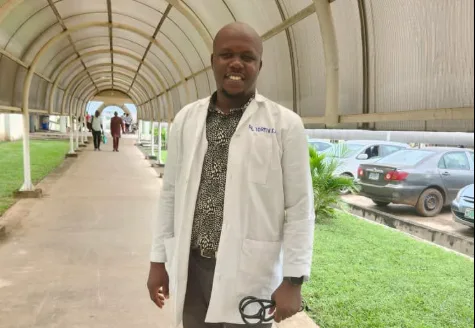
A senior medical doctor in Benue State has tragically lost his life following complications arising from Lassa fever, raising fresh concerns about a possible resurgence of the deadly disease in the state.
The deceased, who worked with the AIDS Prevention Initiative in Nigeria (APIN) in Konshisha Local Government Area, reportedly battled the illness for over two weeks before his condition deteriorated.
Confirming the incident, the Benue State Commissioner for Health and Human Services, Dr. Paul Ejeh-Ogwuche, disclosed that the case emerged just as the state was nearing a Lassa fever-free declaration after completing a 42-day monitoring period.
According to the commissioner, the doctor initially opted for home treatment despite medical advice recommending immediate hospital care.
Following a positive test result for Lassa fever and worsening health complications reportedly including kidney issues he was eventually referred to the University of Jos Teaching Hospital, Plateau State, where he later died.
His remains were subsequently returned to Benue State and buried in strict adherence to protocols set by the Nigeria Centre for Disease Control and Prevention (NCDC).
Related News:
Lassa fever claims 176 lives, NCDC confirms
Fresh Lassa Fever Outbreak Hits Benue, Four Health Workers Affected
Lassa Fever Threat: Enugu Declares High Alert After 10 Health Workers Die in Benue
In response to the development, the state government has swiftly activated emergency measures, including contact tracing, case investigation, and heightened surveillance across health facilities and communities.
Dr. Ejeh-Ogwuche also noted that public sensitisation campaigns have been intensified, especially as health authorities remain on high alert amid concerns over other infectious diseases such as Ebola.
“This unfortunate incident has reset our monitoring cycle. We are reinforcing all necessary response strategies to contain any further spread,” he stated.
The renewed outbreak underscores the persistent threat of Lassa fever and the need for continued vigilance, early detection, and prompt medical intervention.
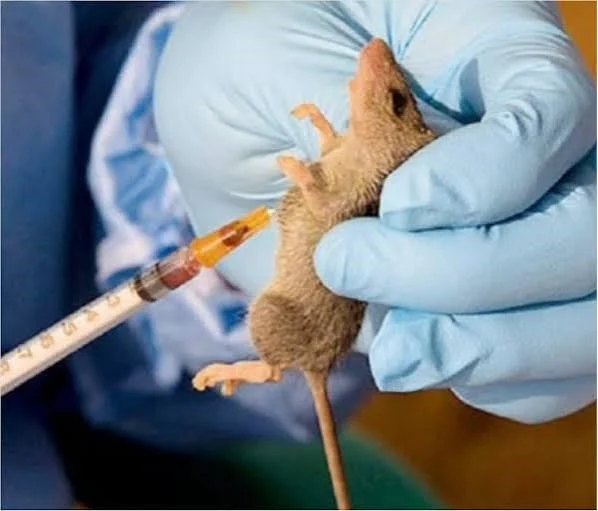
Health officials are urging residents to maintain proper hygiene, avoid contact with rodents, and report any suspected symptoms early to health facilities.
About The Author