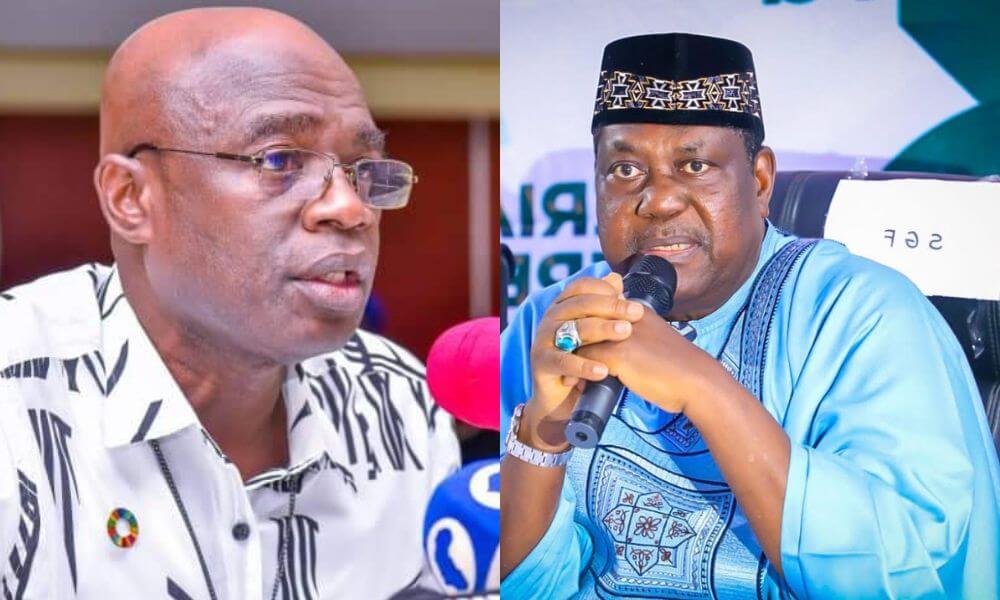
Efforts to resolve the leadership crisis rocking the All Progressives Congress (APC) in Benue State have ended without an agreement between factions loyal to Governor Hyacinth Alia and the Secretary to the Government of the Federation, George Akume.
The failure to reach a compromise has raised concerns about the party’s preparations for the 2027 general elections, as both groups continue to maintain separate positions on the leadership of the state chapter.
The crisis centres on the state chairmanship, with Alia’s faction recognising Benjamin Omale as chairman, while the Akume-backed group insists that Austin Agada remains the legitimate leader.
The disagreement has led to the establishment of separate party secretariats in Makurdi, alongside suspensions and counter-suspensions by the rival groups.
Related News:
Bandits Attack Kano Community, Abduct APC Chairman
2027: Makinde Accuses APC of Plotting to Destabilise Opposition Parties
Boko Haram Attack APC Governorship Candidate’s Convoy in Borno
A reconciliation meeting convened by the APC national leadership was expected to resolve the dispute. However, sources familiar with the discussions said the meeting ended without a breakthrough because neither faction was willing to abandon its position.
According to a party source, the disagreement goes beyond the chairmanship and involves control of the party’s structures ahead of the 2027 elections.
The source said both Alia and Akume remained unwilling to concede to the other side.
Alia’s camp reportedly wants the national leadership to recognise the Omale-led executive and conduct a fresh harmonisation of party structures at the ward level.
However, the Akume-backed faction maintains that the party should respect the 2022 congress that produced Agada as chairman.
Benedict Yawe, publicity secretary of the Omale-led faction, said his group remained committed to resolving the dispute peacefully.
He described reconciliation as necessary for the party’s unity, growth and electoral success in Benue State.
Yawe maintained that his faction was confident in its position, citing its grassroots support and the importance of democratic principles in determining party leadership.
He, however, said the group was not opposed to dialogue or accommodating different opinions, provided the process respected the party’s constitution and legitimate leadership structures.
Yawe urged party stakeholders to put their differences aside and work towards restoring unity, adding that his faction was ready to welcome other members back into a common political family.
Meanwhile, Morgan Ihomun, publicity secretary of the Agada-led faction, rejected suggestions that his group was responsible for the failed reconciliation effort.
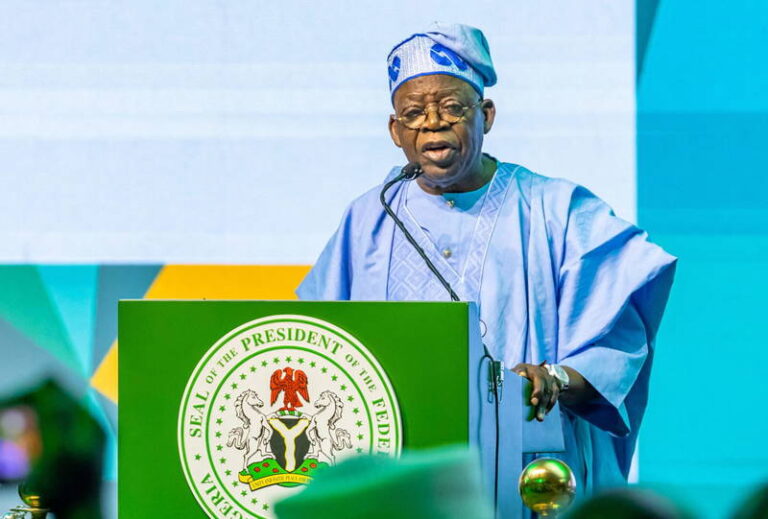
He accused Governor Alia of failing to make genuine efforts to unite party members despite the intervention of President Bola Tinubu.
Ihomun alleged that the governor had continued to make remarks against key party stakeholders instead of building bridges with them.
He also claimed that Alia had not held a meeting with APC members of the National Assembly since assuming office, arguing that his leadership approach had contributed to divisions and mistrust within the party.
The faction’s spokesman insisted that meaningful reconciliation required sincerity, mutual respect and recognition of established party structures.
He reaffirmed the group’s commitment to President Tinubu and said its members were working towards the president’s re-election in 2027.
Political observers have warned that the unresolved disagreement could create challenges for the APC in Benue State as the next general elections approach.
Opposition parties, including the Peoples Democratic Party (PDP), could seek to take advantage of the divisions within the ruling party.
The crisis has also raised concerns within the APC’s national leadership, with reports suggesting that a political settlement or caretaker committee could be considered if both factions fail to reach an agreement in the coming weeks.
For now, the rival groups continue to operate independently, issue separate statements and mobilise supporters ahead of the 2027 elections.
Party stakeholders have called for urgent intervention, warning that the continued division could confuse grassroots members and weaken party unity as preparations for the elections gather momentum.
About the Author