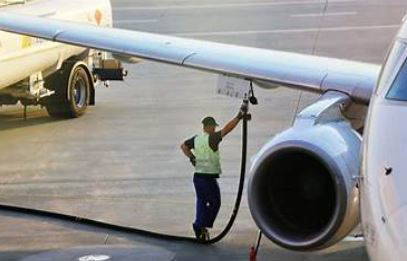
Nigeria’s domestic aviation sector has been thrown into uncertainty as airline operators warn they may suspend flight operations nationwide over the steep rise in aviation fuel prices.
The warning was issued by the Airline Operators of Nigeria (AON), which said the cost of Jet A1 fuel has surged dramatically in recent weeks, placing unsustainable pressure on airlines already struggling with high operating expenses.
According to the association, aviation fuel one of the biggest cost drivers in the industry has risen sharply enough to threaten the survival of several carriers.
Operators say the continuous increase has pushed ticket pricing and operational planning to breaking point, making it difficult to sustain regular flight schedules.
AON further warned that unless urgent steps are taken to stabilize fuel prices, airlines may be forced to ground flights starting Monday, April 20, 2026.
The group described the situation as a direct threat to the survival of the country’s air transport sector.
The association noted that at least one airline has already been forced to suspend operations due to the escalating cost of fuel, raising fears that more carriers could follow if the situation persists.
Related News:
Ex-Aviation Minister, Chidoka announces resignation from PDP
Nigerians Can Now Fly First, Pay Later, FG Unveils New Scheme
Germany Joins Global Flight Suspensions to Middle East Amid Rising Tensions
Airlines also accused fuel suppliers of exploiting global market disruptions to push prices beyond acceptable levels. They argued that while international oil prices have experienced moderate increases, the local price of aviation fuel has risen far more sharply than expected.
However, the Major Energies Marketers Association of Nigeria (MEMAN) dismissed the claims, insisting that the figures being circulated by airlines were inaccurate.
The association attributed the price increase to global supply challenges and geopolitical tensions affecting crude oil movement and refining costs.
MEMAN also explained that aviation fuel pricing involves additional logistical and safety-related expenses, including specialized transportation, storage, and quality control measures required for Jet A1 fuel.
These factors, it said, contribute to its higher cost compared to other petroleum products.
Despite these explanations, the airlines maintained that the current situation is critical and unsustainable.
They warned that a prolonged shutdown of operations would have far-reaching consequences for the economy, including job losses, reduced business activity, and disruptions across multiple sectors that rely on air transport.
AON has called for immediate intervention from relevant authorities to prevent a total collapse of the aviation industry and restore stability to fuel pricing in the sector.
About The Author