As Nigeria approaches the 2027 elections, the impact of global conflicts is becoming impossible to ignore. Wars in the Middle East, tensions between major world powers, and other international crises are affecting the country’s economy, security, and political landscape.
Rising fuel prices and the increasing cost of food are putting pressure on ordinary Nigerians, who are struggling to cope with daily expenses.
Analysts warn that these economic hardships could influence voter behavior, as citizens may vote based on who they believe can address the cost-of-living crisis.
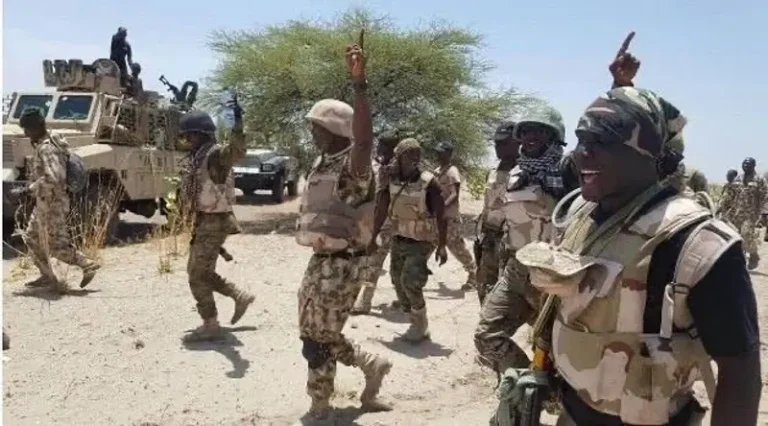
Security challenges are also growing. Experts note that global conflicts can exacerbate the flow of weapons and extremist ideologies into Nigeria, increasing the risk of banditry, terrorism, and other violent crimes.
Such insecurity could disrupt voting processes, lower voter turnout, and compromise the integrity of the elections.
Related News:
Underage Voting: Minors Manipulating Age Undermine Election Integrity
2027: How Development Priorities Could Shape the Next Election
2027 will be the best election, INEC Chairman assures Nigerians
Critics argue that the government has been slow to respond to these challenges, with policies that are reactive rather than proactive.
Political leaders may exploit global crises to justify poor governance or manipulate public opinion, creating a tense and volatile environment as the elections approach.
, Asenexpress.com suggests that strengthening the local economy to reduce dependency on imports and oil, improving border security to prevent the influx of weapons and militants, and ensuring transparent governance.
Citizens are also encouraged to stay informed and actively participate in the electoral process, ensuring that global conflicts do not silence their voices.
Observers stress that the 2027 elections will be influenced not just by local politics but also by the global stage, and Nigerians must prepare to navigate these challenges to protect their democracy.
As 2027 approaches, Nigerians must pay attention not only to what politicians are saying, but also to what is happening around the world.
Because in today’s interconnected world, global conflicts could quietly become one of the biggest factors deciding Nigeria’s next president.
About the Author