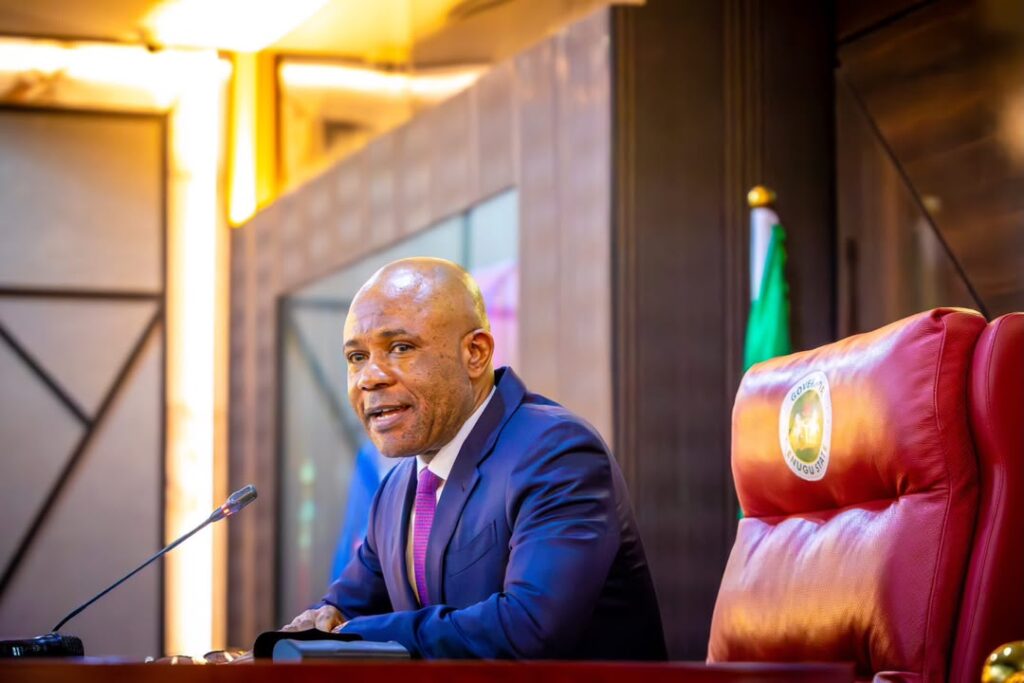
Enugu State has drawn public attention after Governor Peter Mbah approved the appointment of 101 aides on September 21, 2026. The appointments include seven Special Advisers, six Senior Special Assistants and 88 Special Assistants.
According to Enugu state Governor, the appointments are meant to strengthen governance, improve coordination, support government policies and address specific needs across different communities and sectors of the state.
However, the size of the appointment raises an important question: at what point does political appointment become more important than the development citizens expect?
There is nothing wrong with appointing people to assist in governance when their roles are genuinely necessary. However, when 101 positions are created at once, citizens deserve to know why each position is necessary and what value it will bring to the people.
Inside Enugu state:
Enugu North: Why Victorious Pendulum Still Swings Towards Asogwa
Gunmen Allegedly Kill Enugu Politician, Ikechukwu Oloto, in Nsukka
2027: Enugu North Senatorial Seat Is Not Political Retirement Gift
This is not the first time Enugu has witnessed a large number of political appointments. In September 2019, former Governor Ifeanyi Ugwuanyi swore in 19 commissioners and also appointed eight Special Advisers, showing that extensive political and administrative appointments have been part of the state’s governance pattern in the past.
The concern is not simply about appointing aides. It is about whether public resources are being used in the most productive way. If political positions are being shared like rice, citizens may begin to wonder whether political interests are receiving more attention than the roads, healthcare, education, employment, security and other services they need.
The appointments could lead to increased spending on salaries, allowances and administration. There could also be overlapping responsibilities, unnecessary bureaucracy and difficulty measuring the actual impact of each appointment.
Every appointment should therefore have a clear purpose, defined responsibilities and measurable targets. The government should also be transparent about the cost of the appointments and regularly assess their performance.
Good governance is not measured by the number of people surrounding a governor. It is measured by accountability, responsible spending, effective leadership and tangible improvements in people’s lives.
Enugu people deserve a government where appointments strengthen governance and contribute to development, not one where political positions become an end in themselves.
At the end of the day, citizens need more than positions being shared around. The people of Enugu needs security and visible development.
About the Author