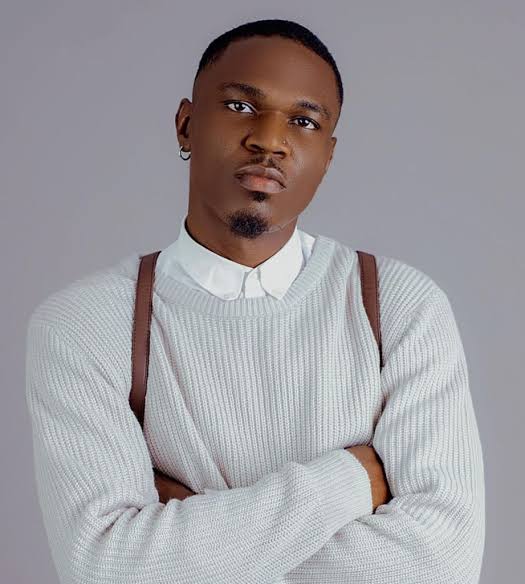
Afrobeats singer Oludipe Oluwasanmi David, popularly known as Spyro, has publicly criticized prominent religious leaders in Nigeria for what he describes as their silence amid the country’s worsening insecurity and economic struggles.
In a video shared via his Instagram page, the artist expressed deep concern over the current state of the nation, questioning why influential clerics have continued regular religious activities without directly addressing the growing crisis affecting millions of Nigerians.
Spyro lamented that the situation across the country has become unbearable, noting that citizens are grappling with fear, violence, and financial pressure, while many spiritual leaders remain quiet.
“I never thought I would get to this point where I have to call out people I deeply respect, but the situation in this country is overwhelming. It’s exhausting and deeply troubling,” he said.
The singer emphasized that religious institutions have a duty to speak up for the people and hold leadership accountable during critical times.
Related News:
Being a celebrity is difficult – Spyro
Spyro announces free wedding performances for 5 lucky couples
Tanzanian Police Free Kizz Daniel Hours After Detention Over Missed Show
After BBNaija Win, Laycon Says “He Lost His Inner Voice”
According to him, any church or mosque that fails to address the realities on ground is neglecting its responsibility to its followers.
He further questioned the silence of some of the nation’s most influential clerics, asking why they have not publicly spoken about the ongoing crisis.
While acknowledging that a few voices within the religious community have addressed the issue, Spyro insisted that more prominent leaders must rise to the occasion and provide guidance during this difficult period.
Referencing recent cases of abductions and killings in parts of the country, including Oyo State, the singer called on spiritual leaders to emulate biblical prophets who confronted authority and spoke truth to power in times of distress.
His comments have since sparked conversations online, with many Nigerians echoing his concerns about the role of religious leaders in addressing national issues.
About the Author