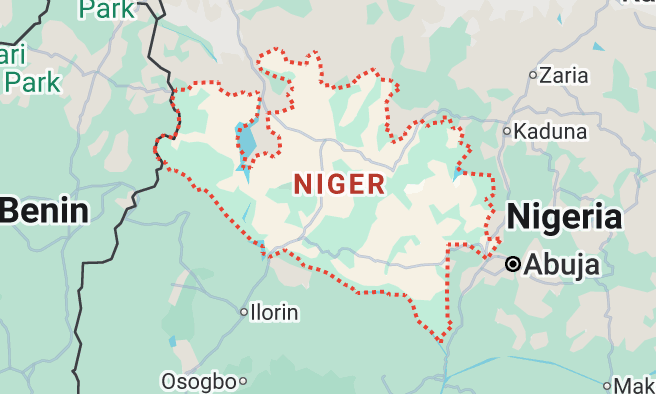
Anti-corruption agencies have uncovered a suspected ghost account allegedly used to divert public funds belonging to Niger State, raising fresh concerns over financial accountability within the state’s revenue system.
Investigators revealed that the account was discovered during a routine financial audit and was traced to a commercial bank in Minna.
The account reportedly bore the name of the Niger State Internal Revenue Service but was found to be operating outside officially approved government financial channels.
According to preliminary findings, the account had been used to carry out multiple transactions over several months.
Inside Niger:
Niger State Man in Custody Over Alleged Sexual Abuse Of Step daughter
Student Killed in Violent Clash at Freshers’ Party in FUE Kontagora, Niger State
Daddy Freeze: Religion Hindering Nigeria’s Development
Officials said it contained substantial funds before it was eventually flagged as suspicious during the review process.
Further investigation showed that approximately ₦180 million had already been withdrawn from the account before authorities detected the irregularities.
The movement of funds has since triggered a deeper probe into how the account was created and operated without authorization.
Sources familiar with the investigation disclosed that the account had a sole signatory, who is believed to have managed all transactions independently.
The individual reportedly died two months ago, leaving behind assets that are now also under investigation.
Authorities have begun questioning officials of the Niger State Board of Internal Revenue as part of efforts to uncover how the account bypassed official financial controls.
Forensic auditors are also reviewing related financial records to determine the full extent of the alleged diversion.
Efforts to obtain an official response from state authorities were unsuccessful as of the time of filing this report.
The development adds to ongoing concerns about financial misconduct in Niger State, where issues such as ghost workers, payroll fraud, and unauthorized accounts have previously been reported, despite ongoing reforms aimed at improving transparency and accountability.
About The Author