The High Court of the Federal Capital Territory (FCT), Abuja, has granted an application permitting court documents to be served on Nollywood actress, Tonto Dikeh, via email in an ongoing ₦200 million child rights lawsuit.
The order was issued by Justice Maryann E. Anenih after considering an ex parte motion filed by human rights lawyer, Ikechukwu Obasi, who is representing a minor in the case.
According to court documents, the application filed on March 31, 2026 was supported by an affidavit and a written address.
The applicant’s counsel informed the court that several attempts to personally serve the actress with the originating processes had failed, necessitating a request for substituted service.
Counsel to the applicant, C.E. Okoro, urged the court to allow the documents to be delivered through Dikeh’s known email addresses or, alternatively, through publication in a reputable national newspaper.
Related News:
Tonto Dikeh Sued for ₦200 Million Over Alleged Schoolgirl “Exorcism”
How I braked addiction chain – Tonto Dikeh
Tonto Dikeh speaks on Self-awareness
In her ruling, Justice Anenih held that the application was backed by sufficient and convincing reasons. She subsequently granted leave for all court processes in the suit to be served via the specified email addresses and by publication in a widely circulated national daily newspaper within the court’s jurisdiction.
The matter was adjourned to May 11, 2026, for hearing.
The suit, filed under the Fundamental Rights (Enforcement Procedure) Rules 2009, seeks ₦200 million in damages over alleged violations of a minor’s fundamental rights.
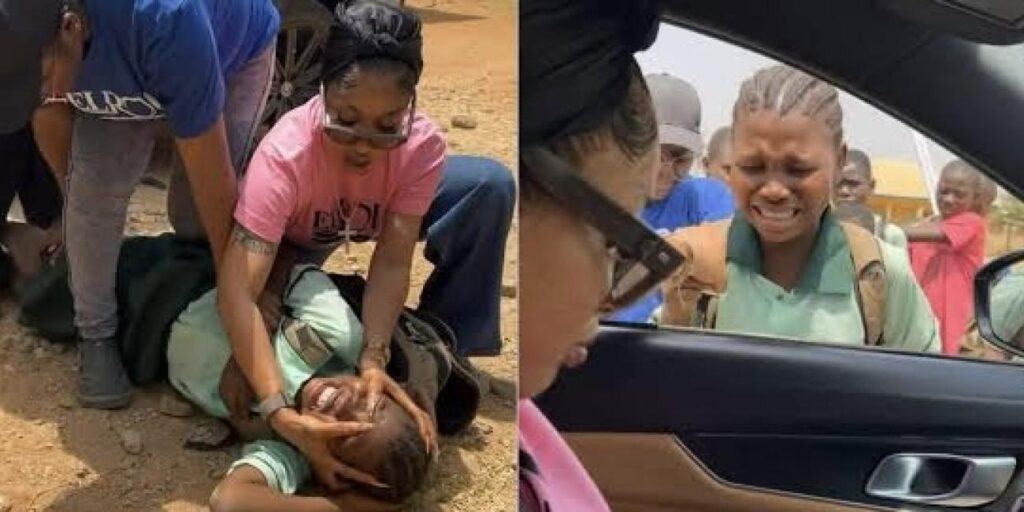
Obasi, acting on behalf of the child, accused the actress of subjecting the minor to a controversial religious “deliverance” ritual.
Related News:
Tonto Dikeh Sued for ₦200 Million Over Alleged Schoolgirl “Exorcism”Tonto Dikeh speaks on healing
According to the affidavit, the incident allegedly occurred on March 6, 2026, and came to public attention after videos and images were shared on social media.
The lawyer claimed the footage showed the child being laid on bare ground during the exercise, which he described as degrading and harmful.
The applicant further argued that the alleged act violated the child’s rights to dignity and privacy, as enshrined in the 1999 Constitution and the Child Rights Act.
He also alleged that the publication of the images and videos exposed the minor to public ridicule and psychological distress.
The case continues to generate public interest as it touches on issues of child protection, religious practices, and the responsibilities of public figures in handling sensitive matters involving minors.
About The Author