The Suspects
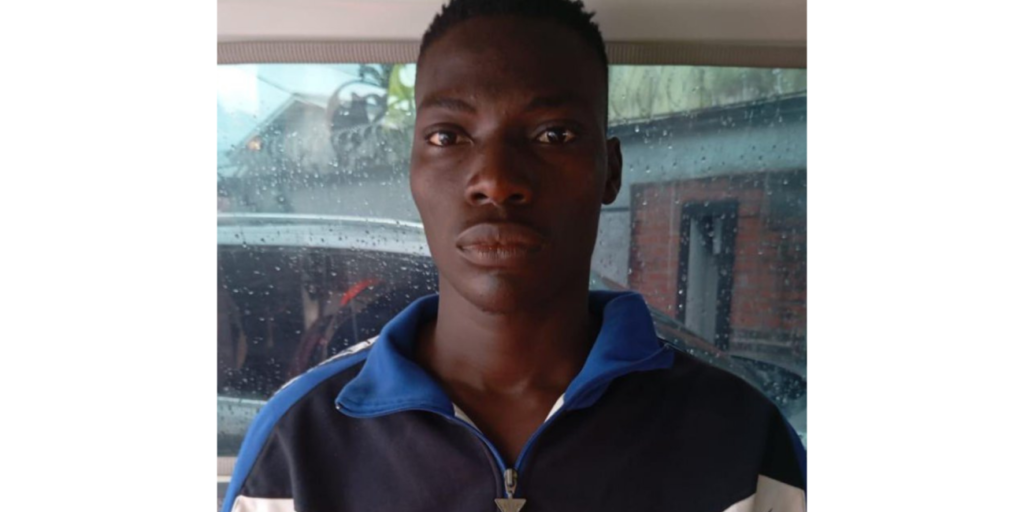
The Nigeria Police Force has arrested a suspect, Ifechukwu Dennis, allegedly linked to the creation and circulation of a controversial AI-generated voice note falsely attributed to President Bola Ahmed Tinubu.
The arrest was disclosed by presidential spokesperson Bayo Onanuga via his verified X (formerly Twitter) account on Thursday.
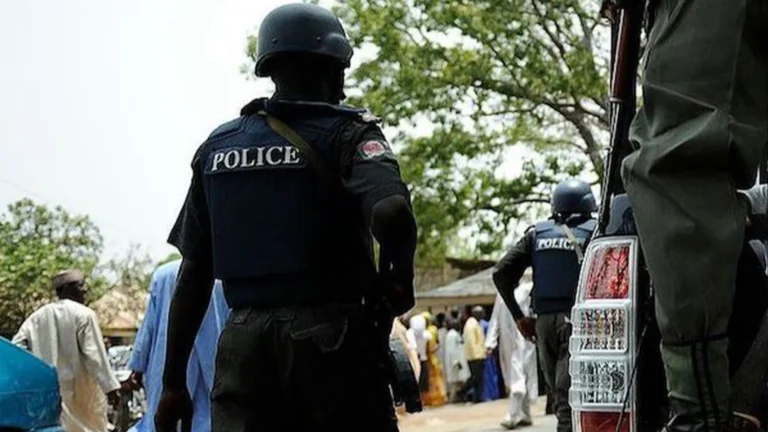
According to him, the Inspector-General of Police’s special team apprehended Dennis in Benin City.
Onanuga stated that the suspect reportedly created and distributed the manipulated audio, presenting it as the voice of President Tinubu to mislead members of the public.
He added that the police would release an official statement detailing the case.
The development marks a major breakthrough in an incident that sparked nationwide controversy on May 27, 2026, when a viral video surfaced online featuring an audio clip purportedly of the president making sensitive and inflammatory remarks.
In the recording, the voice believed by many to resemble Tinubu’s allegedly made claims about insecurity in the South-East, suggested political interference in the 2023 presidential election, and expressed indifference toward citizens’ economic hardship.
The audio triggered widespread outrage, fueling political debates and public criticism.
However, subsequent investigations by media organizations and digital forensic experts concluded that the recording was artificially generated using advanced artificial intelligence tools.
Related News:
Police arrest man calling for Tinubu’s resignation
Police Arrest Man Over Fake Kidnapping Video in Ogun
Delta Police Arrest Man for Allegedly Buying Beretta Pistol online
Ogun Police Arrest Man for Possessing Four Human Heads
Further findings revealed that the viral clip did not originate from social media activist Martins Vincent Otse, popularly known as VeryDarkMan (VDM), despite earlier claims suggesting his involvement.
Investigators reportedly traced the manipulation to an unidentified individual who extracted visuals from one of VDM’s Instagram videos and overlaid the fabricated audio before distributing it online.
The Presidency had initially called for action against VDM, a move that drew criticism from media analysts and fact-checkers who noted that his original content did not contain the altered audio.
The arrest of Dennis appears to validate claims that the source of the deepfake content was elsewhere, raising concerns about the premature attribution of blame in fast-moving digital controversies.
Meanwhile, a social media commentator known as AJE (@Riddwane) claimed that digital forensic analysis played a key role in identifying the suspect behind the fake recording.
As of the time of this report, the Nigeria Police Force has yet to release detailed information regarding the evidence against the suspect or the charges he may face.
The incident underscores growing concerns about the misuse of artificial intelligence in spreading misinformation and manipulating political narratives.
It also highlights the urgent need for stronger digital verification processes and responsible communication, especially in an era where deepfake technology can significantly influence public perception.
About the Author