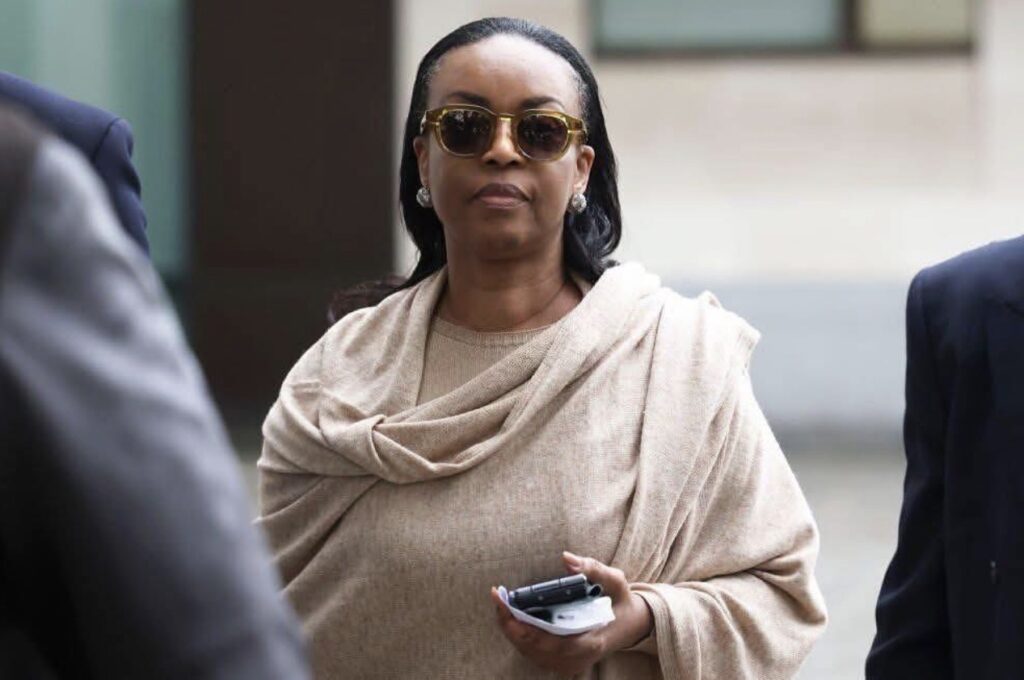
Former Nigerian Petroleum Minister Diezani Alison-Madueke has told a UK court that her role in approving oil contracts was largely procedural, claiming that key decisions had already been made before documents reached her.
Testifying at Southwark Crown Court in London, she said the structure of Nigeria’s oil industry limited her direct influence, as major operations were primarily handled by the leadership of the Nigerian National Petroleum Corporation (NNPC).
“The system was already in motion before files came to me,” she said, noting that the scale and complexity of the sector made it difficult for any minister to maintain full oversight.
According to Diezani, she seldom rejected contract approvals because they had already undergone extensive technical and regulatory review.
“In many instances, I was simply a rubber stamp in the process,” she stated.
She also described a 2014 incident involving a questionable crude oil deal allegedly linked to businessman Igho Sanomi. Diezani said the issue emerged through a whistleblower report, prompting her to cancel the transaction.
However, she told the court that her decision was resisted by influential figures, who escalated the matter to then-President Goodluck Jonathan.
Addressing allegations that $20 billion in oil revenue was unaccounted for, Diezani disputed claims made by former Central Bank Governor Lamido Sanusi, maintaining that the reports were inaccurate.
“There were no missing funds as widely reported,” she said, explaining that subsequent audits and legislative reviews showed the money had been allocated to fuel subsidies and operational expenses.
She acknowledged significant flaws in the subsidy system, including cases of multiple claims by marketers, but said reforms were introduced to curb abuse.
Diezani added that these efforts came with personal risks, including security threats and the kidnapping of family members, which she linked to her attempts to confront powerful interests.
She further alleged that politicians and business figures frequently sought preferential treatment in oil allocations.
“I declined requests that did not follow due process,” she said.
Related News:
UK Condemns ‘Unjustifiable’ 10-Year Sentence for British Couple Detained in Iran
Ex-Nigerian Petroleum Minister Faces Scrutiny Over Lavish £170,000 Furniture Purchases in London
On her personal finances, Diezani told the court she relied on Nigerian-issued bank cards during foreign trips, in line with regulations prohibiting public officials from maintaining foreign accounts. She noted that transaction issues abroad sometimes required others to temporarily cover her expenses.
The court also reviewed records of her official travels between 2011 and 2015. She said she typically traveled with about 30 officials, including aides, security personnel, and protocol staff, adding that all trips were properly documented.
“All movements were recorded and archived in ministry records,” she said, noting that both commercial and chartered flights were used depending on official needs.
Despite the allegations against her, Diezani maintained that her tenure focused on boosting local participation in the oil sector and enhancing transparency, insisting she has been unfairly portrayed.
She is currently standing trial alongside Olatimbo Ayinde and Doye Agama on five counts related to bribery.
All defendants have pleaded not guilty, and proceedings in London are ongoing.
About the Author