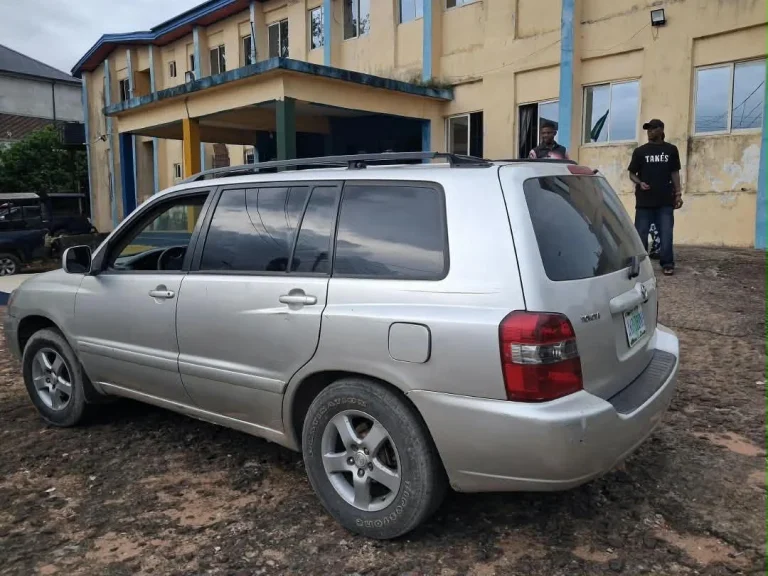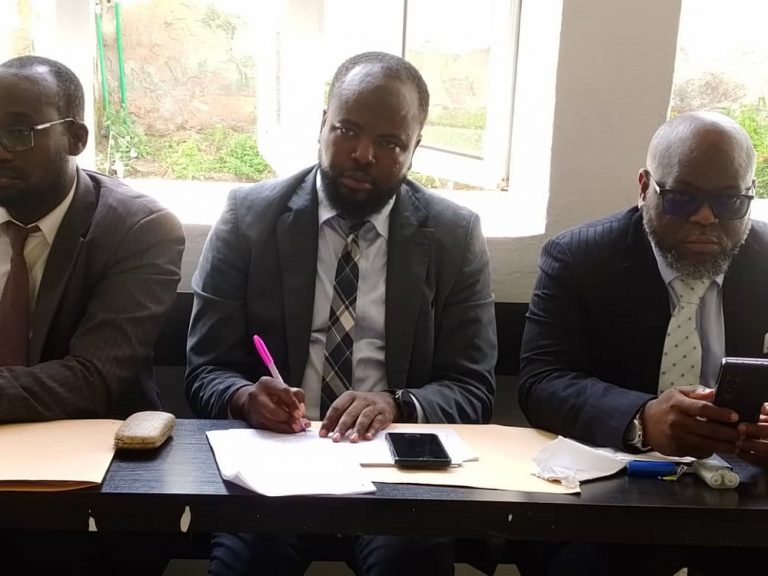
An officer of the Nigeria Security and Civil Defence Corps (NSCDC), Assistant Superintendent of Corps Usman Isah Ndamaka, has told a judicial commission of inquiry that fear of being overpowered by detainees prevented him from opening an overcrowded cell before 37 suspected miners died in custody.
Ndamaka, who was in charge of the NSCDC detention facility in Niger State, made the disclosure while testifying before the Justice Mohammed Mohammed-led Commission of Inquiry in Minna.
The officer reportedly broke down in tears during his testimony, admitting that he failed to prevent the tragedy and apologising to the bereaved families and the Niger State Government.
He expressed regret over the incident, describing the deaths as unfortunate and accepting responsibility for the failure that occurred under his watch.
Explaining the circumstances surrounding the incident, Ndamaka said 58 suspects, comprising 33 males and 25 females, were brought to the command, despite the detention facility having a capacity of only about 28 to 30 people.
He explained that efforts were made to separate the female detainees from the males and transfer some suspects to another facility. However, the attempts reportedly failed due to inadequate accommodation and the refusal of the Mining Marshals to accept some of the detainees at the old command facility.
According to the officer, the suspects arrived late in the evening during heavy rainfall, further complicating efforts to accommodate them.
Related News:
NSCDC Detains Three More Officers Over Niger Miners’ Deaths
57 Niger Security Personnel Reportedly Killed in Separate Attacks
Niger Mining Tragedy: Families Demand Release of Victims’ Remains
Ndamaka said he feared that opening the overcrowded cell could expose him and the available personnel to the risk of being overpowered by the detainees, despite hearing them scream and shout.
The commission is investigating the circumstances surrounding the deaths of the 37 suspected miners on September 17, 2026, including the arrests, detention conditions and possible lapses or misconduct by the authorities involved.
The Head of the NSCDC Investigation Unit, Chief Superintendent of Corps Sunday Oluwadere, also appeared before the panel. He explained his role in profiling and investigating the suspects and handling exhibits, while expressing regret over shortcomings in the process.
Meanwhile, the Chief Consultant Pathologist at the General Hospital, Minna, Dr Alfa Sule, previously informed the commission that post-mortem examinations were necessary to establish the cause of death.
He explained that the examinations required the approval of a coroner, while samples for toxicology and histology tests would require consent from the deceased persons’ families before being sent to a forensic laboratory in Lagos.
The cause of the deaths has yet to be conclusively established, as the commission continues to examine evidence and testimonies to determine what happened and whether any individuals or institutions should be held accountable.
About the Author