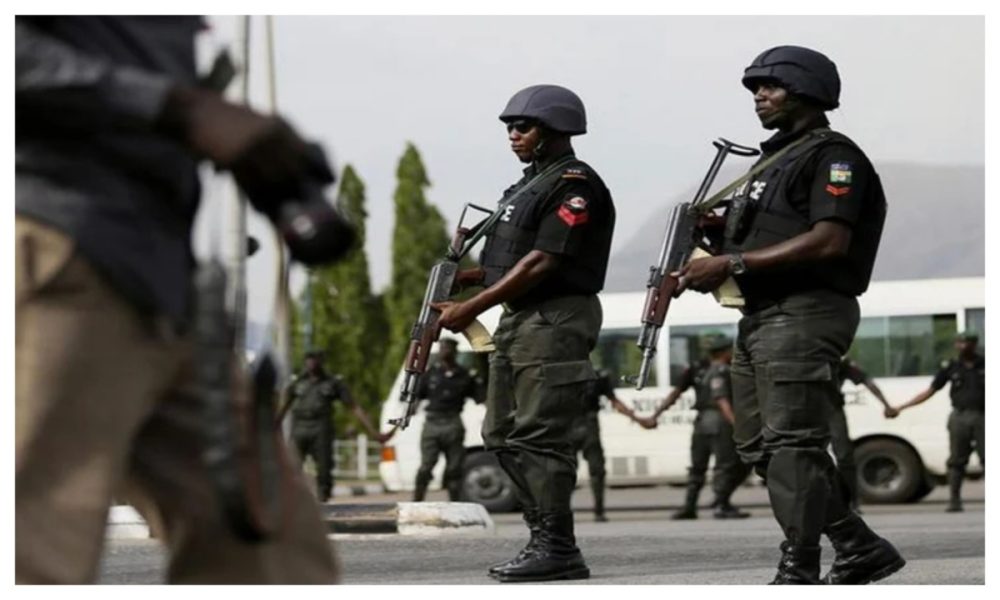
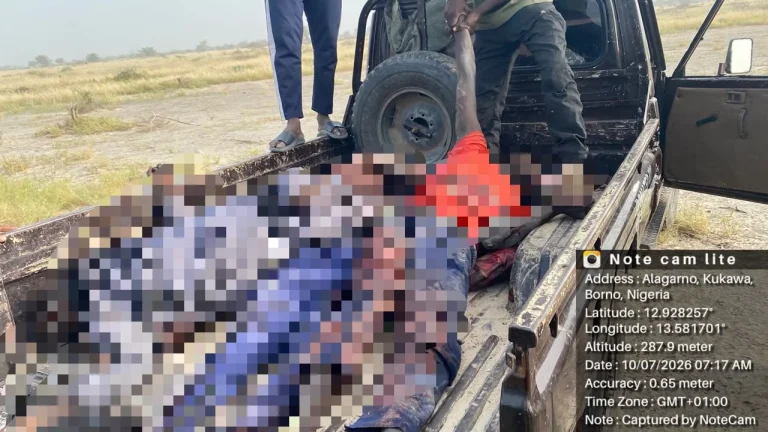
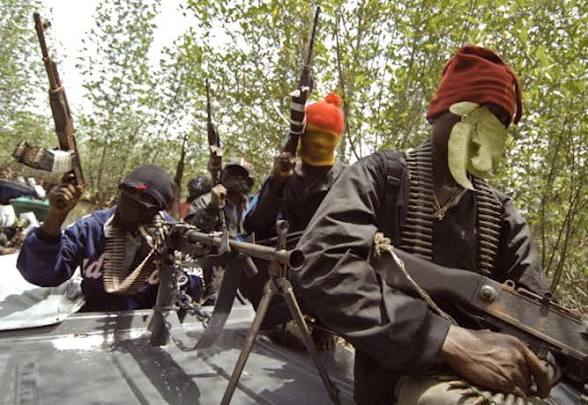
At least 28 people have been killed in renewed attacks across Mangu, Bokkos and Barkin Ladi Local Government Areas of Plateau State despite a dusk-to-dawn curfew imposed by the state government.
The curfew, introduced on September 21, was intended to restore peace, protect residents and prevent further loss of lives. However, several attacks have continued in the affected communities.
The latest incident occurred on Sunday evening around Bukuru in Jos South Local Government Area, where gunmen reportedly attacked Fulani herders travelling in a pickup vehicle near Total filling station.
Two people were killed while six others sustained injuries in the attack. One person was also reported missing.
The chairman of the Miyetti Allah Cattle Breeders Association of Nigeria in Plateau State, Ibrahim Yusuf Babayo, confirmed the incident, saying the victims were returning from a cattle market to Bassa Local Government Area when they were attacked.
He condemned the attack as unprovoked and called on security agencies to identify and arrest those responsible.
The latest incident came less than two weeks after five Fulani herders were killed and another person injured in an attack around Kassa community in Barkin Ladi.
Inside Plateau state:
Police Arrest 22-Year-Old Man Over Alleged Rape Of 23-Year-Old In Plateau
Plateau Widow Mourns Husband Killed While Protecting Community
Troops Arrest Two Suspected Kidnappers, Armed Robbers in Plateau
Other attacks have also been reported in the state since the curfew was introduced, including the killing of security personnel, farmers, miners, vigilantes and herders.
On September 22, a police officer attached to Operation Rainbow was reportedly killed after gunmen ambushed security operatives along Gagshi Road. Three Berom farmers were also killed at Rakok community in Barkin Ladi the same day.
In Mangu, three vigilantes were reportedly ambushed and killed at the Kyikyau-Gyambwas boundary, while two Berom miners were killed at Gangare community in Barkin Ladi on September 23.
Further attacks were recorded in Kassa, Marit, Lamor, Rakum and other communities, with residents and security volunteers among those killed.
The violence has also severely disrupted farming, cattle grazing and mining activities across the affected areas.
Residents said fear of attacks had prevented them from accessing farms and grazing routes located far from their communities. Some farmers have also changed their farming practices because they fear attackers could use tall crops as cover.
The prolonged crisis has deepened tensions between Berom and Fulani communities, with both sides accusing the other of attacks against their members.
The conflict has been linked to longstanding disputes involving land ownership, farming and grazing, as well as the wider indigene-settler divide. The violence also has roots in the broader ethno-religious crisis that erupted in Jos in 2001.
Despite previous government interventions, peace initiatives and community dialogue efforts, fresh attacks continue to threaten vulnerable communities.
Stakeholders have called for stronger security measures, improved intelligence gathering, justice for victims and greater involvement of young people in peacebuilding efforts.
With killings continuing despite the curfew, residents are demanding increased protection for communities and a more effective response from security agencies to end the cycle of violence in Plateau State.
About the Author