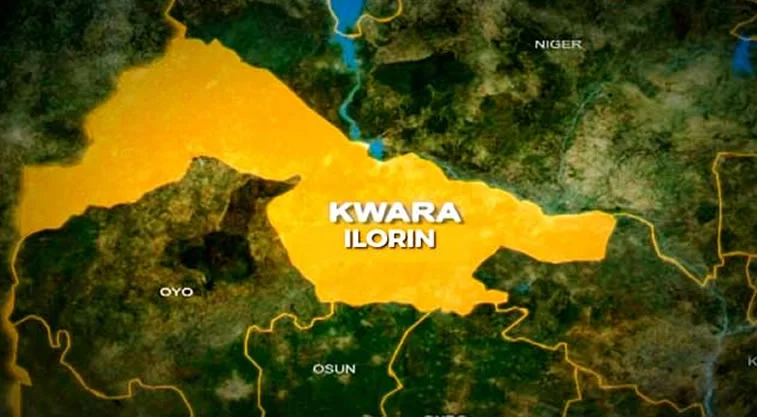
The Take-It-Back (TIB) Movement has called on the Federal Government to immediately launch a coordinated rescue operation for 176 Nigerians abducted in Kaiama Local Government Area of Kwara State, warning that the victims have remained in captivity for nearly six months.
The victims, mostly women and children, were kidnapped on February 3, 2026, in Woro village. Despite efforts by their communities to secure their release, they are reportedly still being held by their abductors.
In a statement issued on Friday by its National Coordinator, Sanyaolu Juwon, the group expressed deep concern over reports that the kidnappers have threatened to kill some hostages and force female captives into marriage if their demands are not met.
The movement described the situation as alarming, particularly after reports that affected communities raised over ₦155 million through crowdfunding in an attempt to secure the victims’ freedom—only for the ransom to be rejected.
“This is a disturbing reflection of the worsening insecurity in the country,” the statement noted, adding that no Nigerian should remain in captivity for such a prolonged period.
TIB Movement further urged the Federal Government, Kwara State Government, and relevant security agencies to deploy all lawful and necessary resources to ensure the safe rescue of the victims.
Related News:
Bandits Invade Kwara, Abduct Resident
Family Demands Justice After Missing Kwara Farmer Found Dead
Oyo Insecurity: Take-It-Back Movement Stages Protest Over Kidnapped Pupils, Teachers
It also called for a full investigation into the circumstances surrounding the prolonged captivity, including possible intelligence failures.
The group outlined key demands, including the establishment of a direct communication channel between affected families and authorities, as well as the provision of psychological support for victims upon release.
Linking the incident to its planned nationwide protest, the movement announced a “Festival of the Oppressed” scheduled for August 5, aimed at demanding accountability from the government over rising insecurity, economic hardship, and governance failures.
“The growing insecurity across Nigeria must not be normalised. Citizens deserve protection, and families should not be forced to raise funds to secure the release of their loved ones,” the statement added.
The movement concluded by urging Nigerians to participate peacefully in the protest, emphasizing that the plight of the abducted victims reflects the broader security challenges facing communities across the country.
About the Author