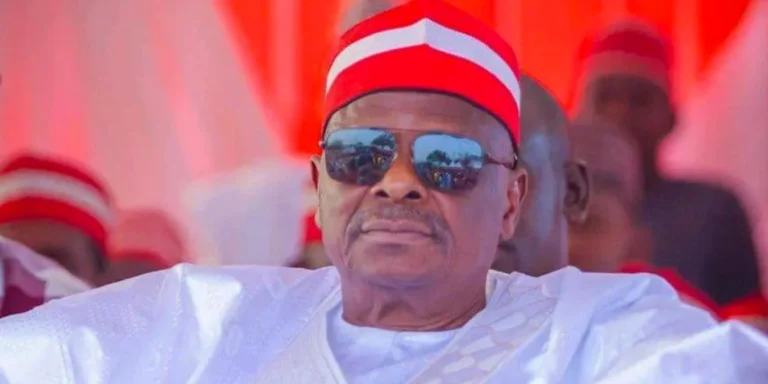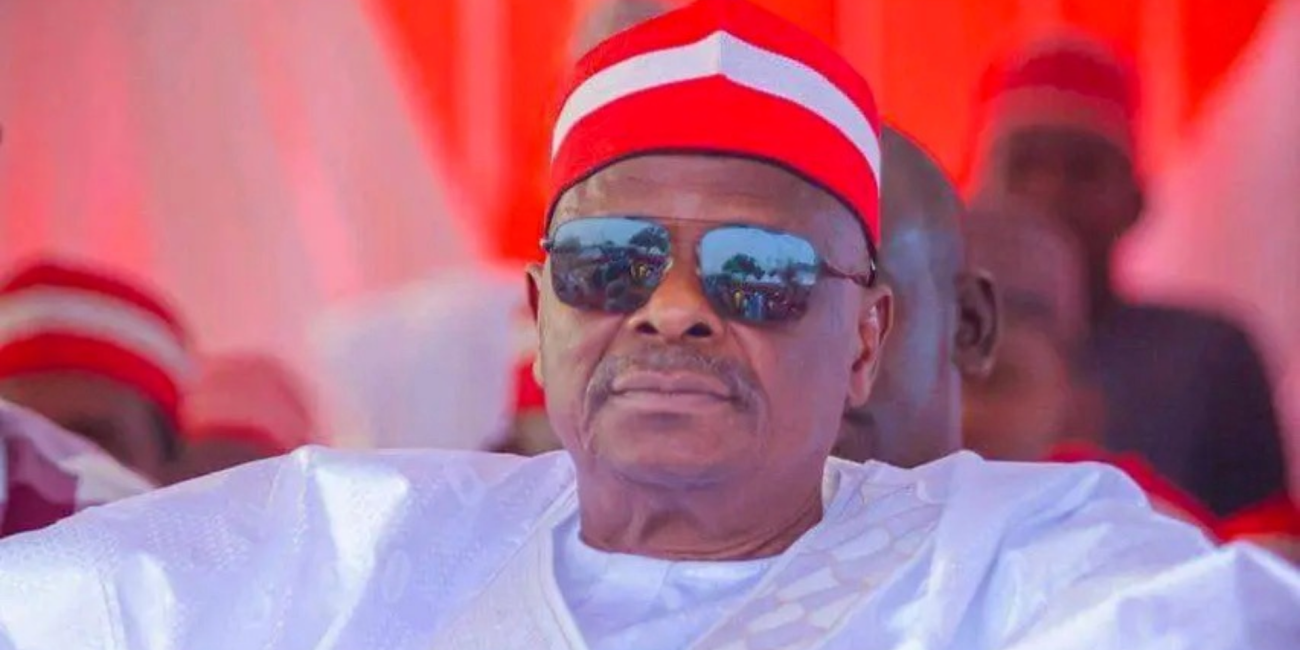
Rabiu Musa Kwankwaso, former Kano State governor and vice-presidential candidate of the Nigeria Democratic Congress (NDC), has joined TikTok ahead of the 2027 general elections.
Kwankwaso announced his presence on the video-sharing platform in a post on his official X account, urging Nigerians to follow him for updates about his activities.
He said the platform would provide authentic information, recent updates and exclusive content about his daily life.
“I am on TikTok! I encourage you all to follow me there for authentic information, the latest updates, and exclusive contents directly related to my daily life. Nigeria will be OK. – RMK,” he wrote.
His move comes as political activities and online engagement gather momentum ahead of the 2027 elections. Social media has become an important channel for politicians to communicate with supporters, promote their political ambitions and reach younger voters.
Kwankwaso and his political ally, Peter Obi, have attracted attention online, with their supporters sharing political messages, criticising President Bola Tinubu’s administration and mobilising support for the opposition.
Related News:
Enugu Govt Denies Involvement in Airport Clash, Accuses NDC of Rally Without Approval
2027: Atiku Lacks Buhari’s Political Clout to Stop Tinubu, APC Chieftain says
Enugu North By-election: How APC Positioned Itself for Success
Akwa Ibom Police Arrest Obidient Coordinator While Seeking Release Of Detained Supporters
2027: ADC Delta South Senatorial Candidate, Austin Orette, Dies in US
Kwankwaso also maintains a strong political following through his Kwankwasiyya movement, particularly in Kano State.
His decision to join TikTok could give him another opportunity to connect with supporters and expand his reach as preparations for the next general elections continue.
Meanwhile, Obi recently joined a TikTok livestream to interact with supporters. During the session, the former Anambra State governor urged Nigerians to assess political candidates based on their competence and leadership capacity rather than their ethnic background or regional affiliations.
He maintained that voters should consider candidates’ qualifications and ability to deliver good governance instead of allowing ethnic sentiments or arguments about whose turn it is to become president to influence their decisions.
About the Author