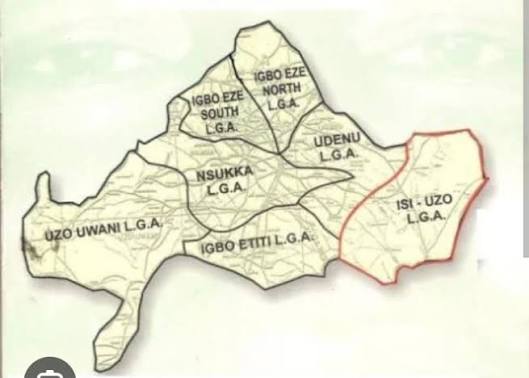
As the Enugu North Senatorial By-Election draws closer, political stakeholders and voters must recognize the importance of respecting the zoning arrangement that has long sustained peace, fairness, and political harmony within the district.
Zoning is not merely a political tradition; it is a practical mechanism designed to ensure inclusiveness, balance, and a sense of belonging among the various local governments that make up Enugu North Senatorial District. Over the years, adherence to this understanding has helped to minimize political tension and strengthen unity among the constituent local government areas.
With the forthcoming by-election, common sense demands that political parties uphold this established principle. Any attempt to ignore or undermine the zoning formula risks creating unnecessary divisions and alienating key voting blocs whose support will be crucial at the polls.
History has shown that voters in Enugu North value equity and justice. Political parties that respect the prevailing zoning arrangement are more likely to earn public trust and broad-based support. Conversely, parties that disregard this unwritten but widely accepted consensus may find themselves facing resistance from an electorate that expects fairness in political representation.
The by-election presents an opportunity not only to elect a worthy representative but also to reaffirm the values of equity, inclusion, and mutual respect that have guided the district’s political evolution. For political parties seeking victory, respecting zoning is not just a moral obligation—it is a strategic necessity.
As the contest unfolds, stakeholders must place the collective interest of the district above narrow political calculations. In Enugu North, zoning has worked because it reflects the people’s desire for fairness. Preserving that balance remains the surest path to unity, stability, and electoral success.
About the Author