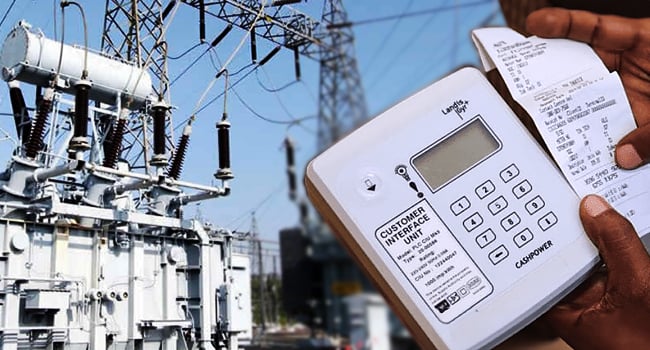
Electricity consumers across Nigeria are facing increased tariffs amid continued irregular power supply, deepening frustration among households and business owners already burdened by economic hardship.
Despite recent adjustments by electricity distribution companies, many residents say the number of hours of electricity supply has not improved.
Frequent outages, low voltage, and unexpected blackouts remain common in both urban and rural areas, forcing homes and businesses to rely heavily on generators and alternative power sources.
For small business owners, the situation has become increasingly difficult. Artisans, cold-room operators, hairdressers, and shop owners report higher operating costs as they spend more on fuel to compensate for unreliable electricity.
Read Also:
Sanwo-Olu signs Lagos electricity bill into law
Enugu: NERC transfers electricity regulatory powers to EERC
Many say the rising tariffs have reduced profits and, in some cases, pushed them closer to shutting down operations.
Households are also feeling the pressure. With electricity bills rising despite limited supply, families complain that they are paying more for less. Consumer groups have questioned the fairness of tariff hikes without visible improvements in service delivery.
Electricity distribution companies argue that higher tariffs are necessary to sustain operations, maintain infrastructure, and improve service quality.
However, experts note that without significant investment in generation, transmission, and distribution networks, higher tariffs alone may not solve the country’s power challenges.
Analysts warn that continued tariff increases without stable supply could worsen public dissatisfaction and economic strain.
Many Nigerians insist that meaningful reforms, transparency, and improved accountability are required before consumers can accept paying more for electricity.
As the debate continues, electricity remains a critical issue at the heart of Nigeria’s economic recovery and quality of life.
About the Author