Africa’s campaign at the 2026 FIFA World Cup ended in a blend of pride and disappointment, as the continent’s largest-ever representation delivered moments of brilliance but ultimately fell short of a historic breakthrough.
With 10 teams qualifying for the expanded 48-nation tournament, Africa emerged as the second most represented continent. Impressively, nine of those teams advanced to the knockout stage, yet only one — Morocco — managed to reach the quarter-finals.
Early Exit for Tunisia
Tunisia endured a disappointing outing, becoming the first African side to crash out. The Carthage Eagles failed to secure a single point after heavy defeats to Japan, the Netherlands, and Sweden, exiting the competition at the group stage.
Cape Verde’s Fairytale Run
In contrast, debutants Cape Verde captured global attention with a fearless and inspiring performance. The island nation finished their group unbeaten, outperforming heavyweights including Spain and Uruguay.
Their remarkable journey nearly produced a historic upset against defending champions Argentina in the Round of 32. Cape Verde twice came from behind but eventually lost 3-2 after extra time, earning widespread admiration despite the defeat.
Round of 32 Heartbreak
Africa’s biggest setback came in the Round of 32, where seven teams were eliminated in tightly contested matches.
Côte d’Ivoire, South Africa, and Ghana all suffered narrow defeats, while DR Congo and Senegal experienced particularly painful exits after surrendering leads. Senegal, for instance, lost 3-2 to Belgium after leading 2-0, while DR Congo fell 2-1 to England following a late comeback.
Egypt’s Historic Win and Painful Collapse
Egypt made history by securing their first-ever World Cup knockout victory, defeating Australia on penalties after a 1-1 draw.
Related News:
World Cup 2026: Oyarzabal Targets Historic World Cup Record Against Argentina
World Cup 2026: FIFA Introduces Historic Championship Rings for Winners
World Cup 2026: Laporta Explains Why Spain Can Defeat Argentina in Final
However, their dream run ended dramatically against Argentina. Despite leading 2-0 late in the match, Egypt conceded three goals in the final minutes to lose 3-2 in a stunning turnaround, highlighting a recurring challenge for African teams — maintaining leads under pressure.
Morocco Leads the Charge
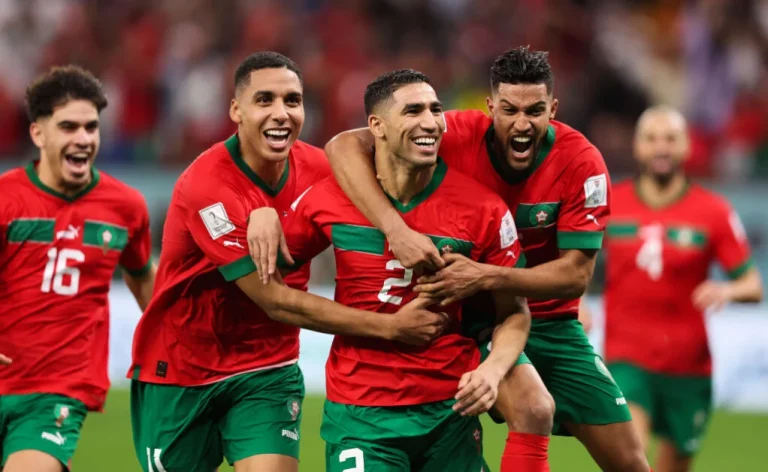
Morocco once again stood out as Africa’s top performer. The Atlas Lions advanced to the quarter-finals after eliminating the Netherlands on penalties and defeating Canada in the Round of 16.
Their journey ended with a 2-0 loss to France, but their performance reinforced their growing reputation as a consistent force in global football.
Recurring Challenge: Holding the Lead
A common theme throughout Africa’s campaign was the inability to protect winning positions. Egypt, Senegal, and DR Congo all lost matches after leading, exposing issues with game management and tactical discipline at crucial moments.
Signs of Progress for the Continent
Despite the setbacks, there were clear positives. Cape Verde’s breakthrough, Egypt’s milestone victory, and Morocco’s consistency underline Africa’s steady progress on the global stage.
The expanded tournament also provided invaluable experience for emerging teams, suggesting a promising future as the gap between Africa and traditional football powers continues to narrow.
While Africa may have missed out on a semi-final spot, the 2026 World Cup demonstrated that the continent is edging closer to competing at the highest level — leaving fans hopeful for even greater achievements in future tournaments.
About The Author