Alex Barbir
A US-based humanitarian worker, Alex Barbir, has dismissed allegations linking his activities and public comments to violence in Nigeria, insisting that his mission is strictly humanitarian and focused on rebuilding conflict-affected communities.
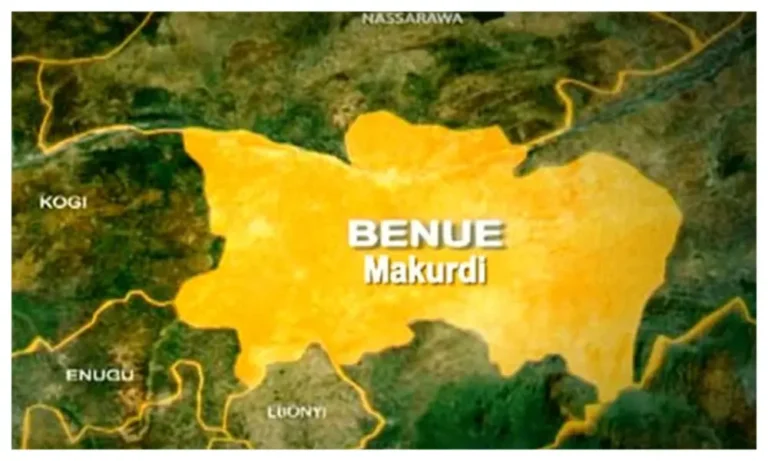
Barbir made the clarification during an interview on TVC News, where he addressed concerns over his presence and influence in parts of Plateau and Benue States, as well as accusations that his remarks may have contributed to tensions in affected regions.
Born on August 17, 1997, in Lawrenceville, Georgia, United States, Barbir said he grew up in Cumming alongside his brother, Josh, a physician and US Army Reserve officer.
He explained that his disciplined upbringing and sporting background shaped his approach to humanitarian service.
He is associated with two humanitarian platforms: his initiative, Building Zion, and Equipping the Persecuted (ETP), a US-based non-governmental organisation led by filmmaker Judd Saul.
Related News:
Benue Mass Burial Thwarted as Armed Thugs Kidnap Mortuary Staff
US Shuts Down Abuja Embassy Visa Services Over Rising Insecurity
Through these organisations, he has participated in reconstruction efforts in Nigeria, including the rebuilding of homes, schools, and places of worship in parts of Benue State affected by violence.
Responding to claims that his rhetoric may have incited attacks or reprisals, Barbir strongly denied the allegations, stating that he has never encouraged violence in any form.
“I have never once called for anybody to be murdered. I have called for people to be protected,” he said.
He maintained that his message consistently calls for improved government security intervention, while also emphasizing the need for communities to defend themselves in the face of imminent threats.
Barbir further dismissed reports linking his visit to Plateau State with a reprisal attack that reportedly left two people dead, insisting the incident occurred before his arrival in the area.
“They had killed two people before I arrived. So it’s a false narrative to say my presence caused that,” he explained.
He noted that cycles of violence in the region predate his involvement, describing the insecurity as a long-standing issue affecting multiple communities.
While acknowledging criticism of his position, Barbir defended his stance on self-protection in areas experiencing persistent insecurity, arguing that such views are rooted in the reality of affected communities.
“If the government is failing to protect you, you should protect yourselves from people who would take your life. There’s nothing wrong with that,” he stated.
He also stressed that victims of the violence include both Christians and Muslims, adding that his humanitarian efforts are not limited by religious or ethnic considerations.
Barbir rejected allegations that he is advancing foreign political interests, challenging critics to provide evidence supporting such claims. He maintained that his funding sources include charitable donations, churches, and humanitarian supporters.
Despite the controversy surrounding his activities, Barbir confirmed plans to return to Nigeria to continue reconstruction projects in Benue and Plateau States, insisting that his mission remains focused on peacebuilding and community recovery.
About the Author