
The United States Department of State has issued a fresh travel advisory warning its citizens to reconsider travel to Nigeria, while placing 23 states under its strictest “Do Not Travel” category due to rising insecurity.
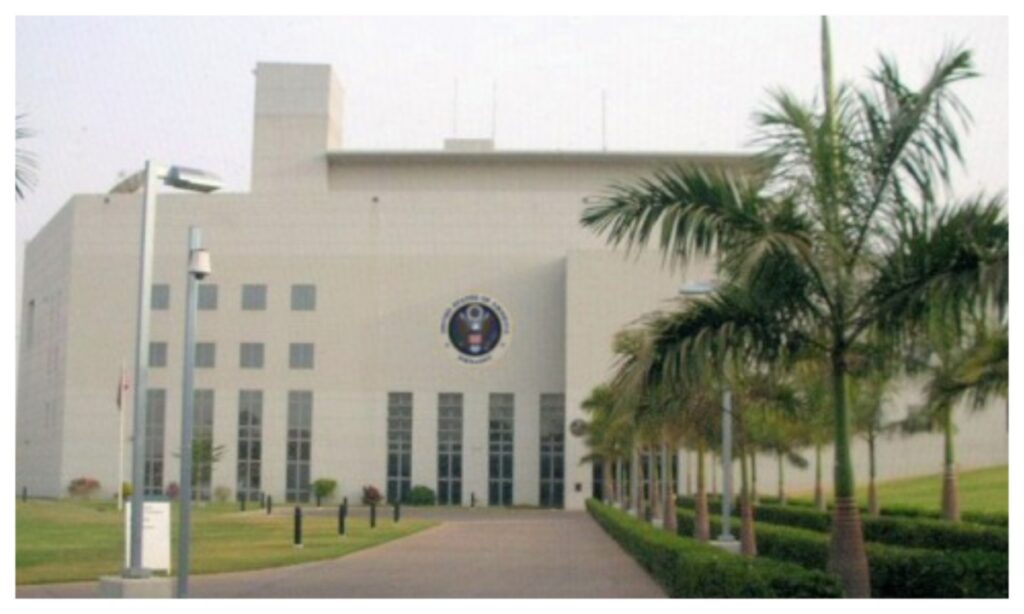
In the updated advisory released on April 8, 2026, the US government also authorised the departure of non-essential staff and their family members from its embassy in Abuja, citing a deteriorating security situation across the country.
The advisory classified Nigeria overall as “Level 3: Reconsider Travel,” pointing to widespread concerns including crime, terrorism, kidnapping, and civil unrest. However, several states were elevated to “Level 4,” indicating areas Americans are strongly advised to avoid entirely.
Among the states listed are Borno State, Yobe State, Katsina State, Zamfara State, and parts of Adamawa State, where terrorism and armed attacks remain persistent threats.
Related News:
US Court to Sentence Nigerian Over $5m Fraud-Linked Transfers
U.S. Embassy Warns of Possible Terror Threat in Nigeria
U.S strikes terrorists in Sokoto
Other northern states affected include Kaduna State, Kano State, Sokoto State, Bauchi State, Gombe State, Plateau State, Niger State, Kwara State, Taraba State, and Jigawa State, where the US cited instability, communal clashes, and frequent security operations.
In the southern and southeastern regions, the advisory warned against travel to Abia State, Anambra State, Imo State, Enugu State, Bayelsa State, Delta State, and Rivers State, excluding Port Harcourt, due to high rates of kidnapping, armed gangs, and violent unrest.
According to the State Department, violent crimes such as armed robbery, carjacking, and kidnapping for ransom are widespread across Nigeria, with foreign nationals often targeted because they are perceived as wealthy.
The advisory also warned that terrorist attacks could occur without notice in public places such as markets, shopping centres, hotels, and places of worship.
In addition, concerns were raised about Nigeria’s healthcare system, which the US described as inconsistent and below the standards obtainable in the United States and Europe.
Despite the warnings, the US urged its citizens who must travel to Nigeria to exercise extreme caution, avoid large gatherings, and enrol in its Smart Traveler Enrollment Program (STEP) to receive real-time updates and emergency assistance.
The latest advisory underscores growing international concern over Nigeria’s security challenges, particularly in regions affected by insurgency, banditry, and civil unrest.
About The Author






1 thought on “Nigeria Faces Tough US Travel Advisory as 23 States Placed on ‘Do Not Travel’ List”