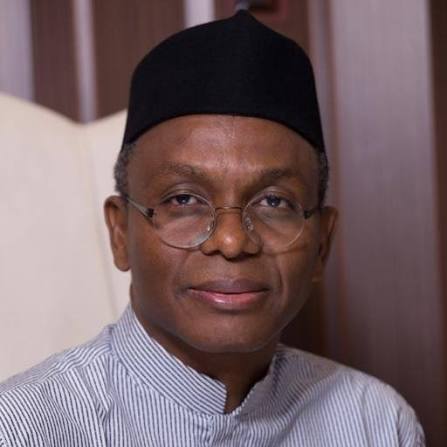
Former Kaduna State governor Nasir Ahmad El-Rufai has explained why he chose not to answer questions from the Independent Corrupt Practices Commission (ICPC), describing the investigation as politically motivated.
In handwritten statements submitted on 19 and 20 February 2026, El-Rufai said his decision to remain silent was deliberate, rooted in his constitutional rights, and meant as a protest against what he described as a politically driven probe.
He insisted he would only respond to any allegations in a court of law.
El-Rufai, who could regain his freedom on Thursday, March 5, if ICPC fails to file charges before his remand expires, stressed that after nearly two years of investigation, the proper forum for addressing any findings should be a judicial tribunal, not direct questioning by investigators.
In his first statement on 19 February, he provided a detailed account of his background, including his education at Ahmadu Bello University, Harvard University, and University of London, his career in public service, and leadership in the African Democratic Congress.
Related News:
El-Rufai’s Wife Denies ICPC’s Wiretapping Claims at El-Rufai’s House
El-Rufai: APC Could Arrest Me Anytime
He wrote:
“In response to your questions, I have, on the advice of counsel, decided to exercise my right to silence. I will make no further statement or respond to any question.
I believe after nearly two years of investigation, the ICPC should present its findings to a judicial tribunal. I will respond to any allegations in a court of law only.”
A follow-up statement on 20 February reiterated that he reserves the right to remain silent on any further documents or questions, emphasizing that court proceedings remain the only proper venue for addressing allegations.
El-Rufai’s stance has drawn attention amid debates on selective justice in Nigeria, with the ADC and other opposition voices criticizing what they describe as politically motivated investigations targeting prominent figures.
About The Author