As the 2027 general election approaches, Nigeria’s political class is already deep in calculations. Alliances are being explored, candidates are positioning themselves, and politicians are searching for platforms and movements they believe could give them an electoral victory.
One strategy, however, could prove particularly risky: the assumption that the political momentum generated by Peter Obi during the 2023 presidential election can simply be transferred to other politicians in 2027.
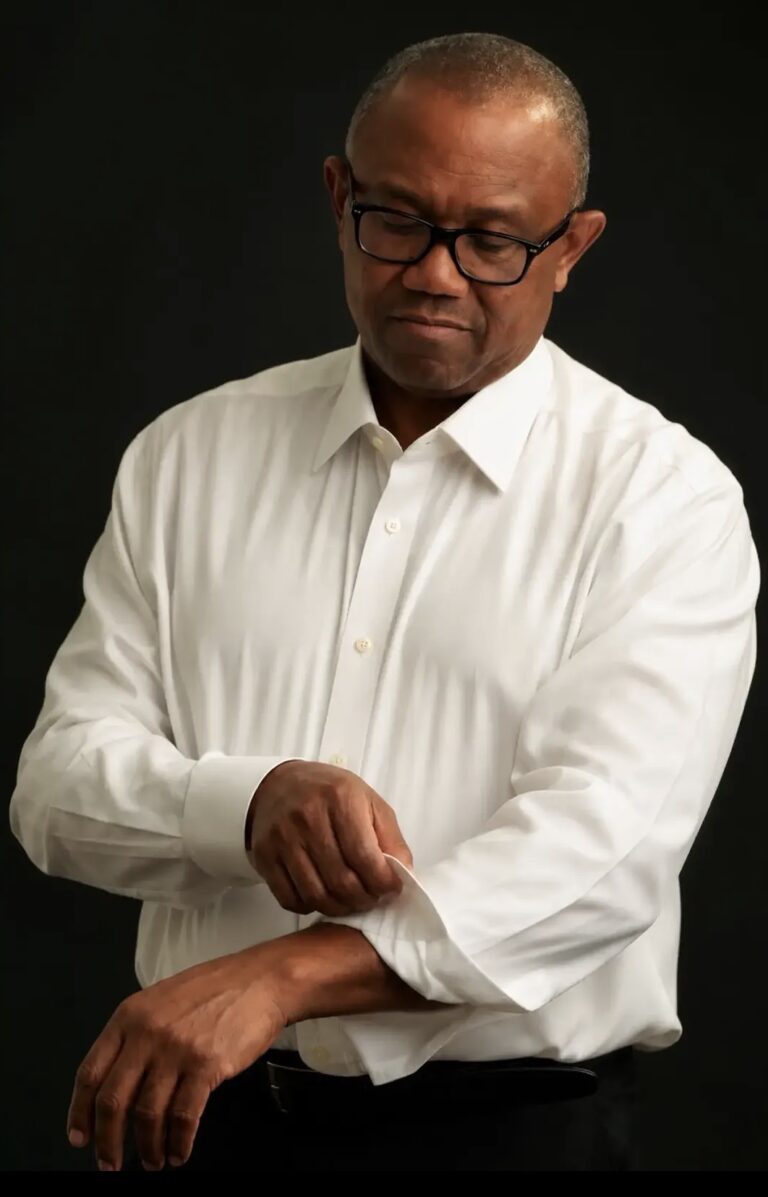
The 2023 presidential election fundamentally altered Nigeria’s political conversation. Peter Obi, then the presidential candidate of the Labour Party, emerged from a relatively modest political platform to become a formidable national contender. His campaign attracted an enthusiastic following, particularly among young Nigerians, professionals and voters who were looking for an alternative to the established political order.
The “Obidient” movement became one of the defining features of the election, demonstrating the ability of a well-organised political movement to challenge the dominance of Nigeria’s traditional political parties.
But there is an important distinction that politicians hoping to benefit from the movement must understand: a political wave is not the same thing as a political structure.
The biggest mistake some politicians could make is to look at the enthusiasm surrounding Obi in 2023 and assume that the same political energy can automatically be reproduced at the constituency, state or national level. The outcome of the 2023 election tells more complicated story.
Obi secured a significant share of the national vote and won several states, but he ultimately finished third behind Bola Tinubu of the All Progressives Congress and Atiku Abubakar of the Peoples Democratic Party. The result exposed the limitations of political enthusiasm when it is not matched by sufficient electoral machinery and nationwide organisation.
The 2023 election was not simply a contest of personalities or social-media popularity. It involved thousands of polling units, party agents, grassroots structures, voter mobilisation, coalition-building and the ability to translate political support into actual votes.
That is where the difference between being popular and being electorally organised becomes crucial.
The Obidient movement demonstrated that Nigerians could mobilise outside the traditional structures of the major political parties. But the election also showed that challenging the established political order requires more than passionate supporters and impressive digital visibility. It requires organisation, structures and sustained political engagement at the grassroots.
Perhaps the greatest danger for politicians attempting to ride on the Obi wave in 2027 is confusing online visibility with electoral strength.
Related News:
2027: Wike shave plan to Revive PDP
2027 Election Campaign: The Season of Media Urchins
2027 will be the best election, INEC Chairman assures Nigerians
The 2023 election was a powerful demonstration of the influence of social media on Nigerian politics. But social media cannot vote. Hashtags cannot vote. Viral videos cannot vote, and millions of online engagements do not automatically translate into ballots at polling units.
What ultimately matters on election day is the voter who gets to the polling unit, casts a ballot and has that vote properly recorded and protected.
Politicians who believe that borrowing Obi’s language, slogans or political identity will automatically translate into electoral support could therefore be in for a rude awakening.
There is another uncomfortable reality they may have to confront: political capital is personal.
A politician cannot simply attach himself to Peter Obi’s name and assume that the goodwill surrounding Obi will automatically become his own. The same applies to candidates who believe that presenting themselves as “Obidient” is enough to overcome questions about their competence, credibility, character, track record and grassroots acceptance.
In many constituencies, voters will ask straightforward but difficult questions: What has this candidate done? What does he or she represent? Can the candidate be trusted? Is there evidence of competence? Is the candidate accessible? Does the candidate understand the problems facing the people?
A borrowed political identity may attract attention, but it cannot provide satisfactory answers to all these questions.
Elections do not repeat themselves simply because some of the political personalities remain the same. Between 2023 and 2027, political alliances have changed, voters have changed, economic conditions have changed, party structures have evolved and candidates face different opponents and different local realities.
The political mood that produced the extraordinary enthusiasm around Obi in 2023 cannot simply be assumed to exist in exactly the same form after four years.
Indeed, the 2023 experience itself may have changed the electorate. Voters who participated in that election have seen what worked and what did not, while political movements and parties have had time to study their successes and shortcomings.
The 2023 election proved that Nigerians can disrupt established political calculations. But it also demonstrated that disrupting the political conversation is not necessarily the same as winning political power.
That is a lesson politicians seeking easy electoral gains from the Obi phenomenon cannot afford to ignore.
By 2027, the political arena will be crowded with politicians claiming to represent “the people”, “the new Nigeria” and the spirit of political change. But voters will ultimately have to distinguish between genuine political movements and opportunistic attempts to exploit an existing wave.
Those who believe that simply standing close to Peter Obi’s political brand or joining Nigeria Democratic Congress NDC will guarantee electoral success may discover that the Obi wave cannot be packaged, borrowed and distributed like campaign merchandise.
The real question in 2027 will not be who can shout the loudest about political movement. It will be who can convert political enthusiasm into organisation, organisation into votes, and votes into victory.
That is where the real battle will be fought.
And if the lessons of 2023 are anything to go by, politicians currently banking on the assumption that 2027 will simply be a replay of Obi’s 2023 wave may be preparing for the wrong election.
About the Author