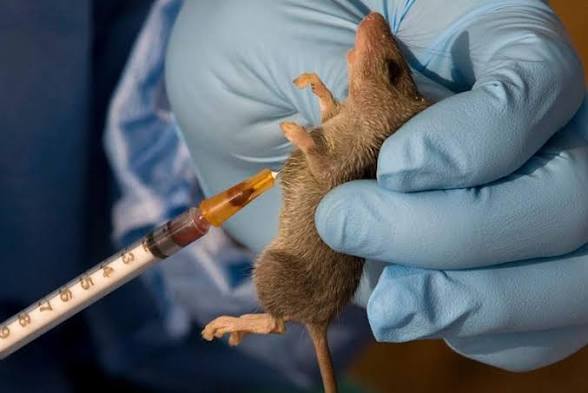
Enugu State has declared a state of high alert over the growing threat of Lassa fever, following the deaths of 10 healthcare workers in neighboring Benue State.
The announcement came during a press briefing on Wednesday by the State Commissioner for Health, Prof. George Ugwu.
While Enugu has recorded nine suspected cases so far this season, no confirmed infections have been reported.
However, the state’s proximity to heavily affected areas has prompted authorities to take preventive measures to curb any potential outbreak.
Nationally, Lassa fever continues to pose a serious threat. Nigeria currently reports 1,469 suspected cases, 318 confirmed infections, and over 70 deaths across several states, including Taraba, Ondo, Bauchi, Edo, Nasarawa, and Kogi. Benue State, which borders Enugu, is particularly affected, with 250 suspected cases, 45 confirmed cases, and the tragic loss of 10 frontline health workers.
Inside Enugu:
Police nabs robbery suspects in Enugu
Enugu Luckiest for Having Mbah – Minister
Gunmen Kill Two Enugu Policemen at Checkpoint
Nigerian Army Frees Kidnapped Reverend in Enugu Operation
Late Singer Ifunanya Nwangene Laid to Rest in Enugu
Enugu tanker explosion: Death toll rises to 21 – FRSC
Police Charge 42-Year-Old Over Child Rape in Enugu
Neighboring Ebonyi State has also reported more than six confirmed cases.
In response, Enugu has placed all local government areas under “Enhanced Surveillance Mode”, with border hotspots receiving special attention.
Prof. Ugwu mandated all health facilities, public and private, to strictly triage patients at entry points, establish dedicated holding areas for suspected cases, and immediately notify the state health authorities.
Healthcare workers have been urged to adhere strictly to Infection Prevention and Control (IPC) guidelines and to maintain a high index of suspicion for persistent fevers that do not respond to malaria treatment.
To strengthen preparedness, Rapid Response Teams are now on 24-hour standby, and critical supplies, including Personal Protective Equipment (PPEs), medicines, and body bags, have been pre-positioned across the state.
The Ministry of Health also issued precautionary guidelines for residents:
Rodent Control: Block holes, clear bushes, and maintain clean environments.
Food Safety: Store grains in sealed containers and avoid open-air drying.
Avoid Self-Medication: Seek early medical evaluation for persistent fevers.
Hygiene: Frequent handwashing with soap and use of sanitizers.
Prof. Ugwu appealed to the media to avoid sensationalism and help disseminate accurate prevention messages to prevent public panic.
Emergency contact lines were provided for the Director of Public Health (0803 743 1577) and the State Epidemiologist (0803 337 5344).
With vigilance and community cooperation, Enugu authorities hope to prevent a deadly spillover from the neighboring states.
About the Author