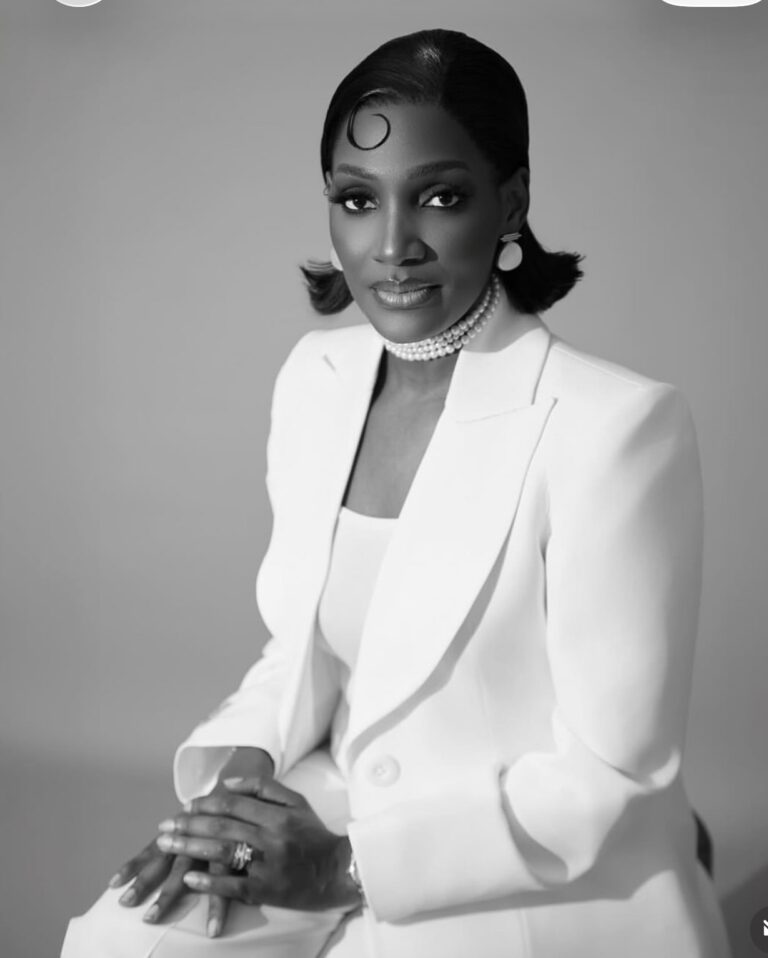
Nigerian disc jockey Onyinyechi Maureen Eneje, popularly known as DJ Pretty Smile, has acknowledged that her physical appearance has contributed significantly to her visibility and personal branding in the entertainment industry.
However, she maintained that talent, creativity and the ability to deliver quality performances remain essential to building a sustainable career as a DJ.
In an interview with Potpourri, the entertainer said her personality and appearance often attract initial attention, but her energy and technical ability behind the decks are what keep audiences interested.
She noted that being a woman in a predominantly male-dominated profession could offer an advantage in terms of visibility, but warned that physical attractiveness alone was insufficient to guarantee long-term success.
“People are first attracted to my personality and appearance, but what keeps them interested is my energy and ability to actually deliver behind the decks. Being a woman in a male-dominated space definitely makes people notice you, but looks alone cannot sustain a career. You have to be good at what you do,” she said.
Related News:
Female DJs Work Twice as Hard to Earn Recognition — DJ Pretty Smile
Why Marriage is most powerful partnership – DJ Cuppy
DJ Pretty Play Speaks on Gender Bias in Nigeria’s DJ Industry
DJ Lamiez reveals challenges balancing career with motherhood
DJ Dimplenipple Criticises Online Content Trends, Shares Personal Standards
The DJ admitted that her appearance had played a role in strengthening her brand, but stressed that she wanted to be celebrated primarily for her musical talent and ability to entertain.
“My appearance has definitely helped with visibility and branding, but I’ve always wanted people to remember me as DJ Pretty Smile, the DJ who can actually make a room move,” she added.
Explaining why she chose disc jockeying over singing or dancing, Eneje said her passion for music and its ability to influence people’s emotions inspired her career choice.
According to her, she enjoys the creative responsibility of controlling the atmosphere at events and using music to create memorable experiences for audiences.
She explained that successful DJing goes beyond playing popular songs, requiring an understanding of audience preferences, appropriate timing and the ability to connect with people.
“For me, it’s not just about playing songs; it’s about knowing what people want to hear, when they want to hear it, and creating that connection with the crowd. I also love the freedom and creativity that comes with DJing,” she said.
On concerns that disc jockeys do not receive recognition and financial rewards commensurate with their contributions to the music industry, Pretty Smile agreed that the issue remained a challenge.
She argued that DJs play a crucial role in promoting songs, introducing emerging sounds and helping artistes reach wider audiences, yet their contributions are not always adequately acknowledged or rewarded.
“To some extent, yes. DJs play a huge role in the music industry because we help introduce and push songs to audiences, but sometimes the recognition and financial rewards don’t reflect the value we bring,” she stated.
Nevertheless, she expressed optimism about the future of the profession, noting that DJs were increasingly moving beyond traditional performances to establish themselves as independent entertainers, entrepreneurs and music brands.
She pointed to the growing number of DJs releasing original music, performing internationally, building substantial audiences and developing businesses around their craft.
“That said, I think things are changing. DJs are becoming brands and entertainers in their own right. Today, you see DJs releasing music, performing internationally, building huge audiences and creating businesses around their craft. I believe the future is even bigger for DJs,” she added.
About the Author