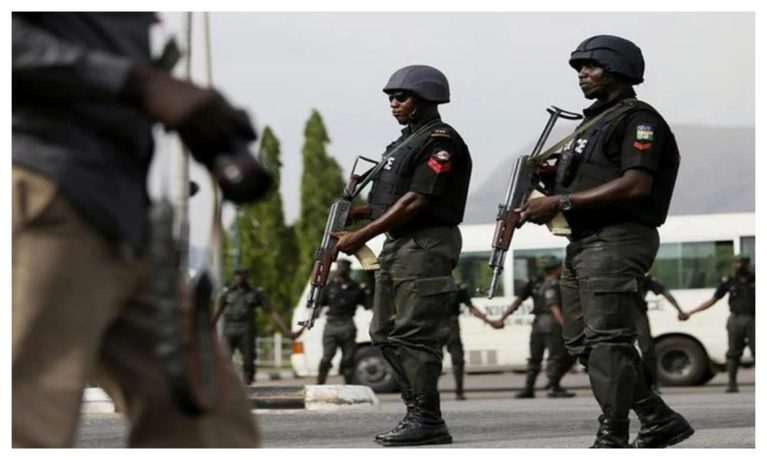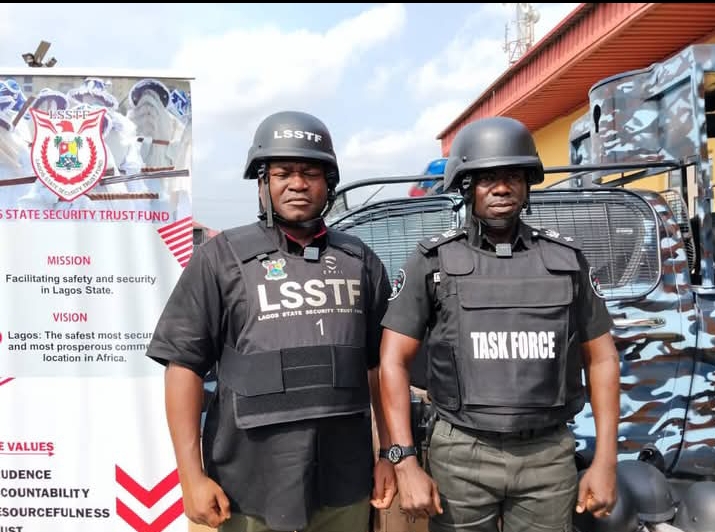
Lagos State Government has arrested more than 10,000 residents for environmental and traffic violations in the past year as part of its push to make the state cleaner and flood-resilient.
Commissioner for the Environment and Water Resources, Tokunbo Wahab, said 5,715 people were arrested for crossing highways at undesignated points, while 3,886 others were apprehended for street trading, environmental pollution, and illegal cart-pushing.
Another 102 individuals were caught for open defecation, and 931 were nabbed for waste management violations.
Wahab disclosed the figures on Sunday during the 2026 Ministerial Press Briefing in Alausa, marking seven years of Governor Babajide Sanwo-Olu’s administration in the environment sector.
He said the crackdown was backed by intensified enforcement operations across all agencies under the ministry, with offenders prosecuted and illegal traders and squatters removed from various locations.
The government also reintroduced the monthly environmental sanitation exercise, which recorded strong participation from residents, local governments, private organizations, and state officials. According to Wahab, the renewed exercise has helped restore public consciousness around cleanliness and sanitation.
On waste management, Lagos commissioned the Ikosi Waste-to-Energy Biodigester Plant in Ketu Fruit Market. The facility converts 0.5 tonnes of organic waste daily into electricity, cooking gas, and fertilizer, generating 30kWh of power and cutting an estimated 9,000 tonnes of CO₂ emissions annually.
Inside Lagos:
Lagos Task Force Unveils Rapid Anti-Crime Patrol Unit to Clamp Down on Offenders
Oyo replaces monthly sanitation with daily clean-up to boost public health
Ogun State Fines 108 Residents for Illegal Waste Dumping in Abeokuta
Lagos Bans Heavy Luggage on Regulated Buses from June 1
Police Bust Lagos Drug Warehouse, Seize 425 Bags of Canadian Loud in Maryland
Landfill efficiency has improved, with reduced truck turnaround times at disposal sites. Five underperforming Private Sector Participation operators had their licences withdrawn after a performance review.
Healthcare waste management was also strengthened, with 35 new PSP operators deployed to health facilities across the state’s three senatorial districts. About 3,920 health facilities are now registered, treating between 80,000kg and 105,000kg of medical waste monthly.
The state maintained its ban on Styrofoam and single-use plastics, removing 137,530.94kg of PET plastics from the environment in the last year. Lagos also planted 16,966 trees across its five divisions and created new recreational parks while renovating existing ones.
Flood control remained a priority, with 18 primary channels covering 76km and 178km of secondary channels cleaned and maintained. Illegal structures blocking drainage alignments were removed, and the Emergency Flood Abatement Gang responded to flood-prone areas across 210km of the state.
On water supply, the rehabilitated Akilo Mini Waterworks was commissioned with a capacity of one million gallons per day. Work is also advancing on the Adiyan Phase II Water Treatment Plant and the expansion of potable water infrastructure.
Wahab said Lagos remains Nigeria’s leading state in climate governance for the second year running, citing improvements in air quality management and environmental sustainability.
About the Author