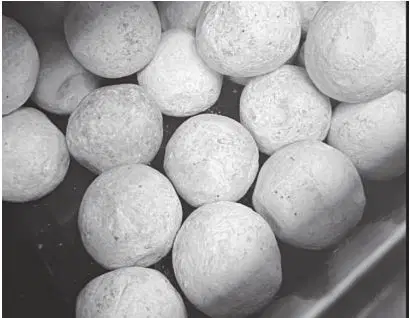
A familiar scent is making a massive comeback in bustling markets across Nigeria. “Kogi soap”, the traditional sky-blue or cream-coloured bar made from palm kernel oil and caustic soda, has reclaimed its place in millions of bathrooms as the cost of living continues to bite harder.
Economy&Lifestyle findings show that with the price of a pack of detergent rising by about seven per cent in a single jump, and branded bath soaps now considered a luxury, many households are shifting their spending. While disinflation has slowed the pace of price increases, the cumulative impact of high fuel costs, production expenses, and transport fares has pushed standard laundry and bathing brands out of reach for many families.
Local manufacturers of “Kogi soap” are reporting a surge in demand. Once seen as a backup for heavy-duty laundry, the bars are now used for everything from washing school uniforms to daily bathing. Small-scale producers are even sharing “hot process” recipes online to help families make their own supplies at home and save money.
“I can’t remember the last time I bought a full pack of detergent,” said Aminat Abdul, a garri seller. “Kogi soap foams just as well, and for the price of one branded bar, I can buy five local ones that last twice as long. Most of these detergents and bathing soaps get finished within a week. My children just soak them in water after bathing and it becomes useless. I had to run back to Kogi soap to save cost. If I use all my money for soap, how will I save for other expenses?”
Inside Kogi:
Ex-Kogi governor,Yahaya Bello regains freedom
Abducted Kogi varsity student found naked in Kwara
Terror on Kogi Road: Lagos-Bound Bus Ambushed, 3 Passengers Killed
Three Prominent APC Leaders Die in Kogi State
Tragedy at Kogi Polytechnic: Lecturer Collapses, Dies in Class
Mr. Joseph Edoh, a mechanic, was shocked to find Kogi soap on his kitchen counter. “I asked my wife and she said it is for washing plates and that there is another for bathing. She complained about how the prices of detergents and bathing soap have increased and how she couldn’t control their use by our children. So she resorted to buying Kogi soap to curb waste and cut costs. I just exclaimed, ‘The return of the king!’ I remember my grandmother used to say Kogi soap cleans better than any of these fancy powders. But seriously, it’s sad that we have to regress because we can’t afford basic hygiene.”
Beyond dishes and bathing, some users claim Kogi soap helps whiten the skin when mixed with palm oil and other ingredients. But skincare seller Mrs. Kuburat Aselu cautioned buyers: “Many ladies are using Kogi soap for whitening their skin. Kogi soaps are now of different grades. Be careful which ones you buy. Some people are adding too much caustic soda because chemicals are expensive now. It can peel off your skin. If you want to use it for bathing, look for the ones mixed with aloe vera or coconut oil.”
Kogi soap is an ancient multipurpose bar once used widely for bathing and washing plates. The emergence of black African soap, popularly called Ghana soap, followed by organic and foreign-made bathing soaps, pushed many households to abandon it. The bar is believed to remove dirt from deep within the skin and provide relief for people down with malaria or typhoid fever. Now, amid rising inflation, it is staging a comeback as families prioritize affordability over fragrance.
About The Author