

In Nigeria’s high-stakes political landscape, the pressure to act quickly can sometimes lead to catastrophic consequences.
When politicians or government officials sign documents for immediate political or financial gain without fully understanding the long-term repercussions, the results can be devastating.
Experts describe such actions as short-sighted political decisions or, in extreme cases, a political suicide note.
A notable example of blind signature is the P&ID gas contract case. On 11 January 2010, the Nigerian government signed a Gas Supply and Processing Agreement (GSPA) with the foreign energy firm P&ID.
Under the 20-year contract, Nigeria was to supply wet natural gas to a P&ID facility, which would process the gas and return usable gas to the country for electricity generation.
However, crucial legal guarantees were not secured, and proper due diligence was not carried out before the deal was signed.
Related News:
2027: Community Safety, Voter Participation in Elections
2027: Economic Crisis, What the Election Means for Nigerians
2027: Why INEC needs to Guard against hackers
Years later, P&ID won an international arbitration award reportedly worth billions of dollars, claiming the government failed to meet its obligations under the agreement.
Analysts say the deal, poorly reviewed before signing, has cost Nigeria significantly and diverted resources from critical public services.
Several factors contribute to such risky decisions.
Political urgency, the desire for quick achievements, misleading advice from advisers, and weak due diligence often drive politicians to sign agreements without fully assessing the consequences.
The outcomes of these blind signatures are far-reaching. Politically, public trust is eroded, reputations are damaged, and future elections can be jeopardized.
Economically, poorly reviewed contracts can result in costly arbitration awards and depleted government resources. Socially, policies enacted without careful consideration can cause unrest and hardship.
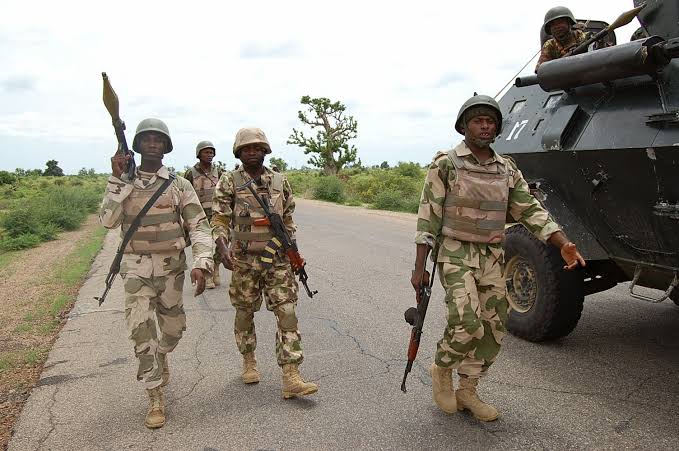
Security risks are also heightened, as governance failures and public discontent create conditions that extremists can exploit, raising the threat of terrorism.
Experts advocate several measures to prevent such outcomes. All agreements should be vetted by independent legal counsel. Legislative or institutional oversight should review significant contracts.
Political leaders and civil servants need training to understand legal, economic, and social implications of agreements.
Transparent decision-making and media scrutiny should be encouraged to hold officials accountable. Clear consequences for negligence or reckless governance should also be enforced.
In Nigeria’s fast-moving political environment, one careless signature can destabilize the economy, undermine governance, and create conditions that extremists exploit. Vigilance, due diligence, and accountability are crucial to safeguarding the nation’s future.
About The Author




1 thought on “2027: The Danger of Blind Signature”