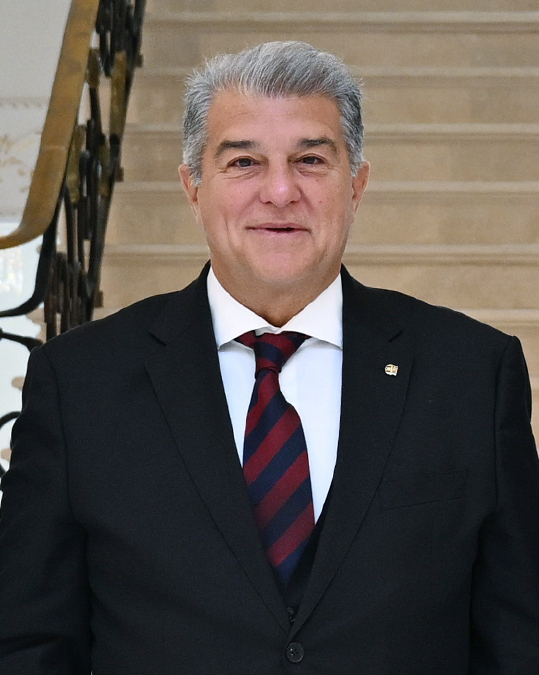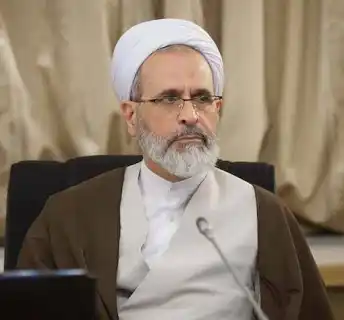
Iran’s newly declared Supreme Leader, Alireza Arafa, has issued a stern warning to the United States and Israel, declaring that diplomacy with Tehran has ended following reported airstrikes on Iranian targets.
In a statement released Tuesday across social media and official channels, Arafa described the military strikes as “unprovoked” and accused Washington of crossing a “red line.” He emphasized that Iran would not back down and promised retaliation.
“The time for negotiations is over. The United States has chosen to cross the red line, the line of irreparable harm,” Arafa said. “By launching this war, they have signed their own death warrant.
They don’t know when or how the axe will fall, but we hold the reins.”
The warning follows reports of coordinated US and Israeli airstrikes targeting Iranian military installations and strategic infrastructure.
Analysts note that the attacks mark a significant escalation in tensions between Tehran, Washington, and Tel Aviv, fueled by long-standing disputes over Iran’s regional influence, missile program, and alleged nuclear activities.
Washington has repeatedly accused Tehran of backing armed proxy groups across the Middle East and destabilizing the region, claims Iran has consistently denied.
Related News:
Iran‑US Tensions Escalate as US Aircraft Crash in Kuwait
US court sentences former NNPC official to 87 months for bribery
Trump Warns Iran of Total Destruction Over Any Assassination Attempt
Arafa dismissed assertions that the strikes were intended to preempt a nuclear threat, describing them as exaggerations meant to justify aggression.
“They brandish the nuclear specter like a scarecrow, blinded by their arrogance,” Arafa said. “They have no idea of the true extent of our power or what we are prepared to unleash.”
The Iranian leader reserved particularly strong language for Israel, warning that all acts of aggression would be met with sustained retaliation.
“Every strike, every crime, every act of suffering they have inflicted will come back to haunt them,” he said. “They will remain in our sights, exposed, vulnerable, hunted.”
Security experts warn that the exchange of threats could trigger a wider regional conflict, potentially involving Iran-aligned groups in Lebanon, Syria, Iraq, and Yemen.
A prolonged confrontation could disrupt global energy markets and inflame sectarian tensions across the Middle East.
As military movements reportedly continue and tensions escalate, the international community faces mounting pressure to prevent a large-scale conflict in a region already fraught with instability.
About The Author