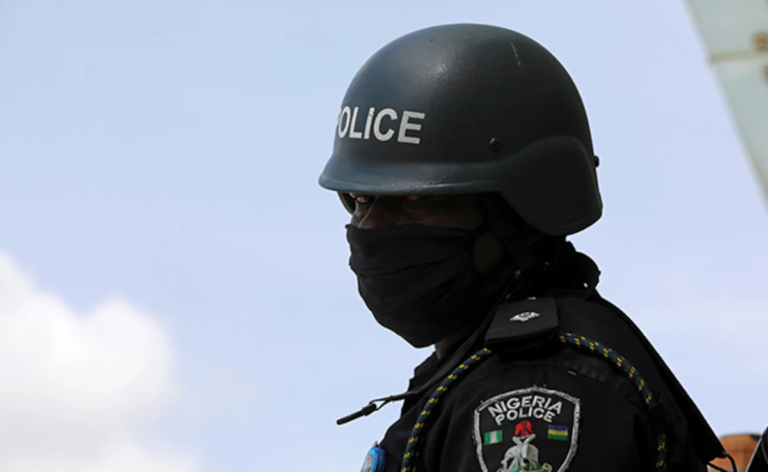
Violence around political events includes intimidation, clashes, and attacks linked to political activities such as rallies, meetings, and campaigns.
These incidents are often driven by political tension, desperation for power, or the use of vulnerable youths as tools of disruption.
Voter confidence refers to the belief that citizens can participate safely and that elections will be credible. As Nigeria moves toward 2027, violence in political spaces creates fear and uncertainty that weakens democratic participation.
When political activities become unsafe, citizens withdraw from public engagement. Many avoid rallies, town halls, and even voter registration exercises.
Related News:
2027: INEC Announces Dates for Presidential, Governorship Polls
Tinubu Signs Controversial Electoral Bill Amid Nationwide Protests
How Political Vices Undermine Governance and Erode Public Trust
Internal Party Crises:Leadership Battles Are Weakening Nigerian Politics
Vote Buying: A Threat to Free and Fair Election
This limits interaction between candidates and voters and weakens grassroots political participation. Violence also damages Nigeria’s democratic image, raising concerns about political stability and the credibility of future elections.
Fear undermines trust in the political system. Some citizens begin to see politics as a dangerous contest of force rather than a peaceful competition of ideas.
This leads to lower voter turnout, especially among women, youths, and older people. Over time, repeated incidents of violence can create apathy, with voters feeling that participation is risky and ineffective.
If political violence continues toward 2027, intimidation may become normalized. Elections may be viewed as flawed before they even take place, weakening their legitimacy.
Public trust in electoral institutions and security agencies may decline, and democratic culture may suffer when fear replaces free participation.
Reducing violence requires firm and transparent law enforcement to deter offenders. Political leaders must openly reject violence and restrain supporters.
Civic education should promote tolerance and peaceful political engagement. Expanding economic and social opportunities for young people can reduce their vulnerability to political manipulation.
Stronger security planning around political events and sustained community dialogue can also help lower tensions. Restoring voter confidence depends on making political participation safe, peaceful, and meaningful for all citizens.
About the Author