Public confidence in an election means that citizens trust the process, the institutions, and the final results. It is the belief that votes are counted fairly, that every voter’s voice matters, and that no individual or group is above the law.
The credibility of the 2027 general election depends on whether Nigerians believe the system is honest and transparent.
Without public trust, elections become empty rituals rather than true expressions of the people’s will.
Public confidence has a strong impact on democratic participation.
When people trust the electoral process, they are more willing to register, vote, and engage peacefully in politics. Trust also promotes national unity because citizens are more likely to accept election results, even when their preferred candidates lose.
When confidence is low, many people withdraw from political participation. This weakens democracy and creates space for frustration, anger, and instability.
Related News:
Vote Buying: A Threat to Free and Fair Election
2027: INEC Announces Dates for Presidential, Governorship Polls
Datti Baba-Ahmed Denies Presidential Ambition Amid Political Rumours
2027: Elections, Battle for Electronic Transmission in Nigeria
Low public confidence produces harmful effects on society. It encourages voter apathy and discourages young people from engaging in civic life.
Many citizens begin to feel that voting is meaningless because outcomes are believed to be controlled by powerful elites.
This weakens the legitimacy of elected leaders and reduces public cooperation with government policies. Over time, repeated disappointment erodes faith in democracy and deepens divisions within society.
The implications of low public confidence in the 2027 general election are serious for the future of governance. A government that emerges from an election lacking public trust may struggle to gain legitimacy.
Public resistance to policies may increase, and social tension may grow. Continued doubt in institutions such as the Independent National Electoral Commission threatens the stability of democratic governance and weakens citizens’ belief in the rule of law.
There are strong critiques of the electoral process based on past experiences. Allegations of irregularities, logistical failures, and poor communication have damaged public trust.
Many citizens believe that political elites benefit from weak institutions and use ethnic or religious divisions to manipulate voters.
The lack of accountability for electoral misconduct further deepens public frustration. These issues reveal a gap between democratic promises and the reality experienced by ordinary people.
Restoring public confidence requires serious reforms and collective responsibility. Electoral processes must be transparent and clearly communicated to the public.
Institutions must be held accountable, and electoral misconduct must face real consequences. Civic education should empower citizens with knowledge of their rights and the voting process.
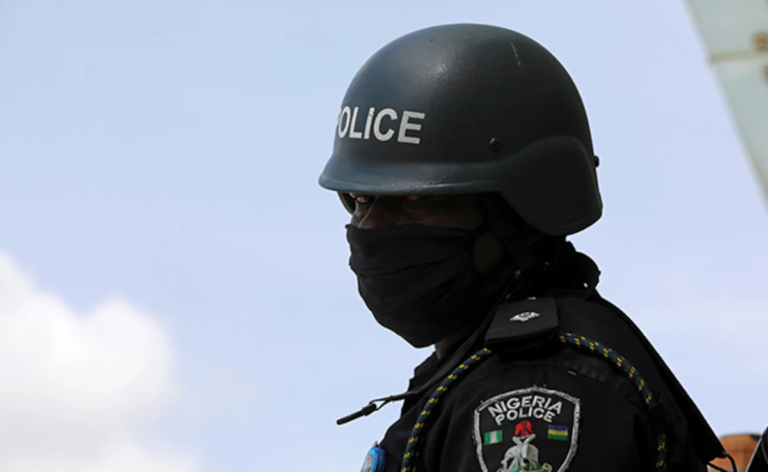
The media and civil society must actively counter misinformation with accurate information. Security agencies must protect voters and election officials without bias or intimidation.
Democracy will only survive when citizens refuse to accept injustice and demand credible elections. Public confidence will grow when the system proves through consistent action that the people’s voices truly matter.
About the Author