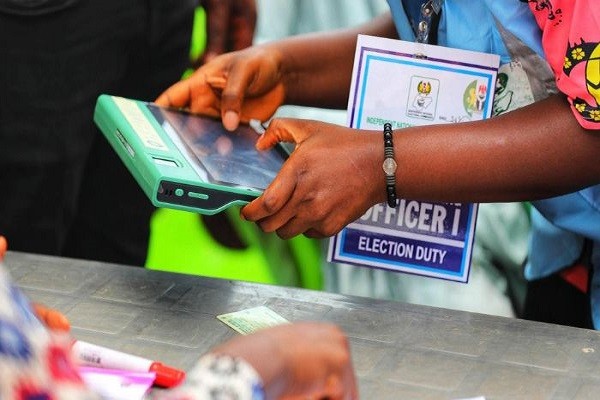
As Nigeria moves toward the 2027 general elections, the fight over electronic transmission of results has exposed a disturbing truth: the real battle is not about technology, but about who controls the outcome of elections.
What should be a straightforward reform to protect votes has instead become a test of political honesty and democratic courage.
The benefits of electronic transmission are undeniable. It blocks result manipulation at collation centres, reduces ballot snatching incentives, speeds up result declaration, and gives citizens real-time access to what was recorded at polling units.
In short, it protects the voter from elite interference. Any system that reduces secrecy and human tampering is naturally resisted by those who thrive on both.
Claims that electronic transmission is “not achievable” are increasingly insulting to Nigerians’ intelligence. INEC already uses BVAS, banks move billions electronically every day, and national exams transmit sensitive data across the country without drama.
Related News:
Bugaje Alleges Plot to Rig Elections, Says Blocking E-Transmission Gives ‘Somebody’ Advantage
Electronic Transmission Row: Kenneth Okonkwo Calls Akpabio ‘Enemy of Democracy’
Inside the Battle for Party Supremacy Ahead of 2027
Peter Obi Declares Intention to Contest 2027 Presidential Election
‘I Was Never Friends with Tinubu’ — El-Rufai Speaks Out
Network challenges are not a deal-breaker offline uploads, backups, and staggered transmission already exist.
What is lacking is not technology, but political will.
The reactions from political leaders have been telling.
While some lawmakers, civil society leaders, and legal experts have demanded mandatory electronic transmission, others continue to push for it to remain “optional.”
Optional transparency is no transparency at all. Leaving such a critical safeguard to discretion only creates room for pressure, compromise, and abuse.
Nigeria does not need to guess whether electronic transmission works. Ghana and Kenya have deployed electronic result transmission to strengthen election credibility.
Even within Nigeria, government agencies rely on electronic systems for identity management, banking, taxation, and examinations.
To suggest elections are somehow too “special” for technology is either dishonest or deliberately misleading.
Critics often raise concerns about hacking, poor infrastructure, or sabotage.
These are not arguments against reform; they are arguments for better implementation. Every democratic system improves through reform, not fear.
Refusing electronic transmission because it is imperfect is like rejecting elections altogether because fraud exists.
What is most troubling is the behaviour of those who aggressively oppose the idea. Any political actor who declines electronic transmission without offering a stronger, more transparent alternative must be questioned.
In a democracy, resisting accountability is a red flag. Nigerians are right to ask: what exactly are they afraid of?
The truth is simple: credible elections in 2027 are impossible without mandatory electronic transmission of results.
Anything less is an invitation to controversy, court battles, and public unrest. Nigeria cannot afford another election where citizens spend months arguing over figures that should have been clear on election night.
This is no longer just a policy debate. It is a moral choice between protecting the people’s vote or protecting political convenience.
History will remember who stood for transparency and who stood in its way.
About the Author