Across parts of the world, escalating violence against Christian communities has sparked intense debate and international concern.
Former U.S. President Donald Trump has been outspoken, explicitly labeling the attacks as a Christian genocide and urging global leaders to act.
Supporters praise him for highlighting the plight of vulnerable communities, while critics question the political and diplomatic implications of his statements.
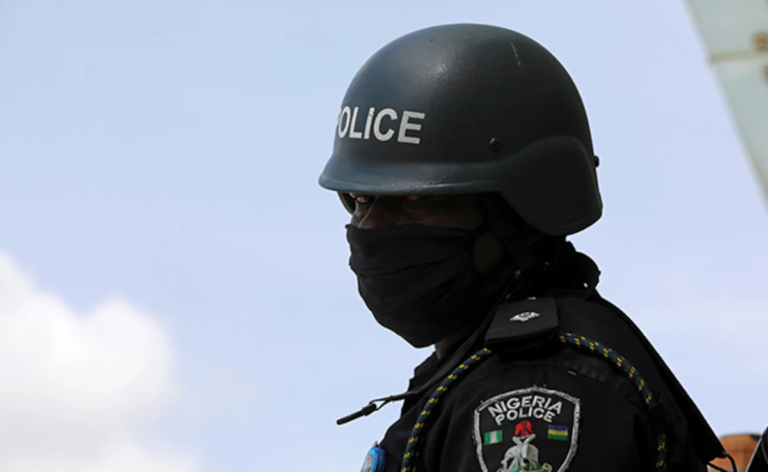
In Nigeria, church leaders and human-rights activists report repeated attacks — from killings to village burnings — that they say are targeted because of faith.
The effects are devastating: families are displaced, children are left orphaned, schools and churches destroyed, and local economies crippled. Fear and mistrust have grown, fueling cycles of violence and deepening societal divisions.
Yet, Nigerian political leaders and officials deny the violence is religiously motivated, claiming it stems from terrorism, land disputes, and criminal activity affecting all communities.
Critics argue this denial minimizes victims’ suffering and slows justice.
Experts say urgent solutions require a combined approach: stronger security measures, accountability for perpetrators, international monitoring, and humanitarian support for displaced families.
Advocates also stress the need for governments to acknowledge the targeted nature of the attacks, which is crucial for lasting peace and protection.
About the Author