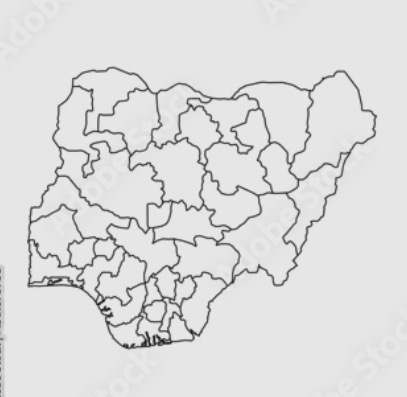
The International Organization for Migration (IOM) has revealed that more than 3.7 million Nigerians have been displaced from their homes as a result of violent conflict, insecurity, and climate-related disasters, including flooding and environmental degradation.
The organisation’s Chief of Mission in Nigeria, Sharon Dimanche, disclosed this while delivering a goodwill message at the First Edo State Humanitarian Summit held in Benin City.
Dimanche noted that the increasing number of internally displaced persons highlights the intense humanitarian challenges facing communities across the country. She explained that behind the statistics are families and communities striving daily to rebuild their lives with dignity and resilience.
According to her, humanitarian efforts must extend beyond emergency relief to include long-term measures that help displaced people restore their livelihoods and achieve stability.
“Humanitarian response should not stop at providing emergency support. It must also create opportunities that enable displaced persons to rebuild their futures,” she said.
Dimanche added that IOM’s work in Nigeria focuses on three key priorities: saving lives and protecting migrants and displaced persons, promoting lasting solutions to displacement, and supporting safe, orderly, and regular migration.
She stressed that individuals affected by conflict and climate shocks require continued access to life-saving assistance, protection services, and recovery programmes.
The IOM official also urged the country to adopt more sustainable approaches to displacement management.
Related News:
Africa loses $18bn annually due to conflict- African Union
She said Nigeria needs to move beyond temporary measures and prioritise durable solutions such as safe return, local integration, and building resilient communities where displaced persons can restart their lives.
Dimanche further highlighted the role of Edo State in Nigeria’s migration dynamics, noting that IOM has partnered closely with the state government since opening an office in Benin City in 2017.
Through this collaboration, she said more than 9,000 migrants from Edo State have been assisted to return home safely, while over 8,000 people have received reintegration support to help rebuild their livelihoods.
She also revealed that more than 1,100 victims of human trafficking have received protection, counselling, and recovery assistance.
In addition, Migration Information and Job Centres supported by IOM have been helping young people access accurate migration information, skills training, and employment opportunities.
Dimanche added that public awareness campaigns on safe migration have reached over three million residents across Edo State, improving understanding of migration risks and safer alternatives.
She emphasised that addressing displacement and migration challenges requires stronger cooperation among governments, international organisations, civil society groups, development partners, and the private sector.
Dimanche reaffirmed IOM’s commitment to supporting humanitarian systems and helping communities become more resilient.
“Our aim is to ensure migration becomes a pathway to development and opportunity, rather than a journey filled with risks,” she said.
About the Author