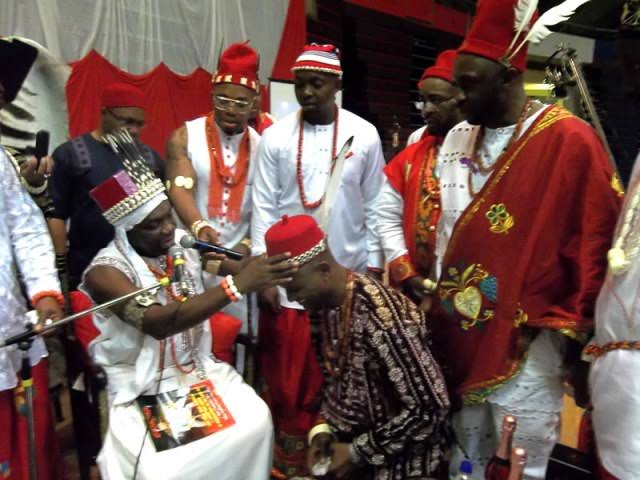
South Africa’s Eastern Cape has been thrown into controversy following reports that Nigerian national Solomon Ogbonna Eziko was crowned “Igwe Ndigbo,” a title representing the leader of the Igbo community, during a ceremony held over the weekend.
The coronation has been strongly condemned by the Eastern Cape House of Traditional and Khoi-San Leaders, who described the event as illegal and a threat to established traditional governance structures recognized under South African law.
The ceremony reportedly took place in the kuGompo area, which falls under the jurisdiction of King Jonguxolo Vululwandle Sandile of the amaRharhabe Kingdom, further heightening tensions.
In a public statement, the House warned that the installation violates customary practices and the provisions of the Traditional and Khoi-San Leadership Act, which governs the recognition of traditional leaders in South Africa.
They called for a public apology from those involved and demanded the disbandment of what they described as an unlawful kingship arrangement.
Related News:
“Temporary Abstinence is Not Sobriety” – Ned Nwoko Responds to Regina Daniels’ Drug Test
Access Bank Names Ifeyinwa Osime as New Board Chairman
South Africa relaxes visa rules for Nigerians
Authorities also urged law enforcement agencies to investigate the matter and ensure accountability, while highlighting potential legal and immigration implications.
The traditional leaders emphasized that failure to address the issue could weaken respect for the rule of law and encourage parallel leadership structures in communities.
The controversy has sparked wider discussions about cultural identity, diaspora leadership, and the limits of authority in a multicultural society.
Observers have drawn parallels with a similar dispute in Ghana in 2025, when the coronation of a Nigerian Igbo leader in Accra triggered protests over concerns about foreign influence on local chieftaincy systems.
As tensions mount, South African authorities face the delicate task of balancing cultural expression with the protection of legally recognized traditional institutions.
About the Author