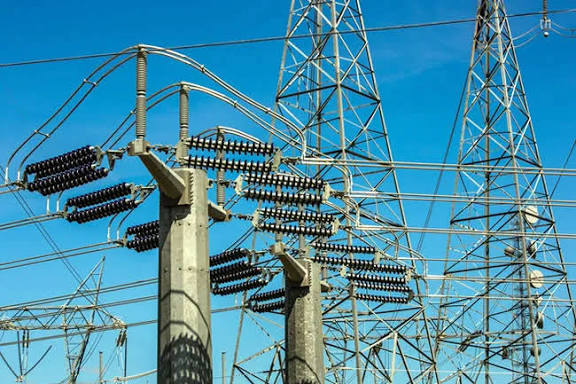
Nigeria’s electricity supply suffered another major disruption on Wednesday following the collapse of the national power grid, plunging several parts of the country into darkness.
Checks revealed that power generation dropped sharply from over 4,500 megawatts to an unprecedented low of 24 megawatts by about 1:30 p.m. The collapse affected all 23 power generation companies connected to the national grid, leading to zero electricity allocation to the country’s 11 distribution companies.
As a result, homes, businesses, and critical facilities across the nation experienced widespread power outages, further compounding the challenges faced by consumers already struggling with unstable electricity supply.
At the time of filing this report, the exact cause of the grid failure had not been officially disclosed. Officials of the Transmission Company of Nigeria were yet to issue a detailed statement explaining the circumstances surrounding the system collapse.
Related News:
Presidency fixes date for national youth confab
This incident is the first national grid collapse recorded in 2026 and comes barely weeks after a similar occurrence on December 29, 2025, which also caused nationwide blackouts.
The repeated failures have continued to raise serious concerns about the resilience of Nigeria’s power infrastructure.
In recent years, experts have attributed frequent grid collapses to a combination of technical faults, inadequate maintenance of transmission lines, ageing infrastructure, and fluctuations in generation capacity.
Stakeholders in the power sector have repeatedly called on the government and relevant agencies to invest in critical upgrades and implement effective contingency measures to prevent recurring system failures.
While Nigerians await an official explanation, the latest collapse has once again highlighted the urgent need for comprehensive reforms to ensure a stable and reliable electricity supply capable of supporting economic growth and daily activities across the country.
About the Author