Nigerian workers are struggling to cope with the surge in petrol prices, which has significantly driven up transportation fares and the overall cost of living across the country.
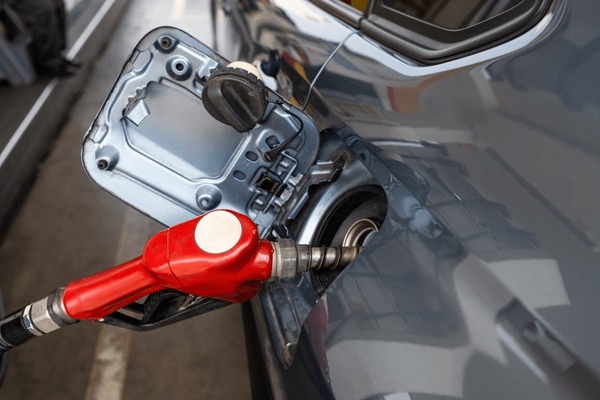
In major cities such as Lagos, Port Harcourt, Kano, Kaduna and Abuja, petrol now sells between N1,200 and N1,450 per litre, putting additional pressure on household incomes.
For many workers, the increase has turned daily commuting into a major financial burden, with a large portion of their salaries now spent on transportation and basic needs.
Speaking on the development, the National Secretary of the Joint National Public Service Negotiating Council (JNPSNC) and General Secretary of the Nigeria Civil Service Union (NCSU), Olowoyo Gbenga, described the situation as unprecedented.
Oil producing nation – imports fuel
Rising Tensions, Fuel Scarcity Deepens Across Major Cities
Dangote Refinery Hikes Fuel Price by N100 per Liter Nationwide
Nigerian Fuel Stations Slash Prices Following 15% Import Duty Lift
He said workers across the country are struggling to cope with the rising cost of transportation and other essential goods.
According to him, the surge in fuel prices has also affected businesses, with some workers reducing their workdays while others have resigned due to high commuting costs.
Small and medium enterprises are also facing operational challenges.
Gbenga called on the government to take urgent action to stabilise fuel prices and ease the economic burden on Nigerians.
About the Author