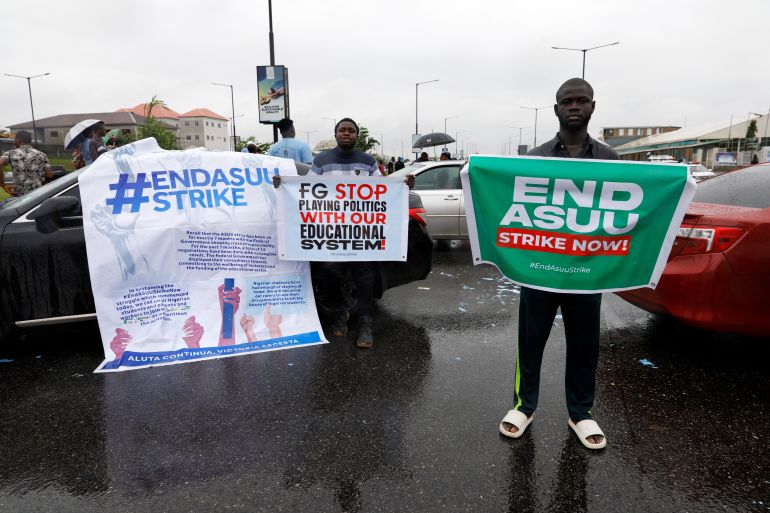
Education strikes continue to disrupt learning across Nigeria, placing millions of students in a cycle of uncertainty and academic delay.
Frequent industrial actions by teachers’ unions, especially in public institutions, have become a major challenge for the country’s education system.
These strikes are often caused by unresolved issues such as poor funding, unpaid salaries, deteriorating infrastructure, and unmet agreements between the government and education stakeholders.
While unions argue that strikes are necessary to demand better conditions, students remain the most affected.
Related News:
NASU, SSANU declares indefinite strike
Prolonged school closures lead to loss of learning time, weakened academic performance, and delayed graduation.
Many students struggle to regain focus when schools eventually reopen, while others abandon their education entirely.
The situation is particularly difficult for students from low-income families who rely on public education and cannot afford private alternatives.
Education strikes also deepen inequality, as private schools continue academic activities while public institutions remain shut.
Parents and guardians have expressed growing concern over the emotional, social, and economic impact of these disruptions on young people.
Experts warn that an unstable education system threatens Nigeria’s long-term development. They urge the government and unions to prioritize dialogue and sustainable reforms to protect students’ futures and restore confidence in the nation’s education sector.
About the Author