Drug trafficking, the illegal production, transport, and sale of controlled substances such as cocaine, heroin, methamphetamine, and cannabis, has become one of the most pressing challenges facing societies worldwide.
From local communities to international borders, the trade fuels crime, violence, and corruption, leaving devastating consequences for individuals and families.
Young people are particularly vulnerable, often drawn into drug use or trafficking due to poverty, unemployment, and peer pressure.
The causes of drug trafficking include poverty, lack of education, weak law enforcement, porous borders, and political corruption, which create opportunities for organized criminal networks to thrive.
Social influences and peer pressure also play a significant role, especially among vulnerable youth.
The effects of drug trafficking go beyond personal health.
Economies suffer due to lost productivity and the cost of law enforcement and healthcare. Communities experience higher crime rates, family breakdowns, and reduced social cohesion.
National security is threatened as criminal networks gain power, and the future of younger generations is jeopardized.
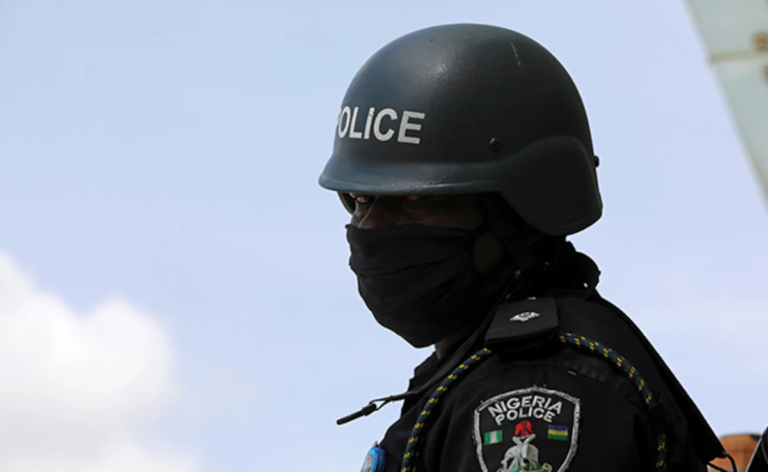
Efforts to curb the problem require a multi-faceted approach. Governments must strengthen law enforcement, enhance border security, and invest in public awareness campaigns.
Education and youth empowerment programs are crucial to prevent vulnerable populations from being drawn into the trade. Collaboration between nations and communities is equally essential, as drug trafficking is rarely confined to one region.
Without urgent action, the growing threat of drug trafficking will continue to destabilize societies and jeopardize public safety.
Combating it is not just a law enforcement issue — it is a social responsibility.
About the Author