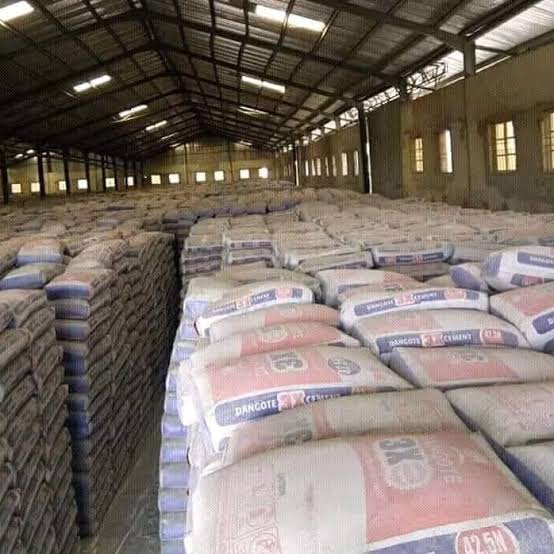
Nigerians are grappling with fresh economic pressure following a new increase in cement prices across the country, a development that has further strained household budgets and the construction sector.
Findings show that a 50-kilogramme bag of cement now sells for as much as ₦10,500 in several states, up from about ₦9,800 in December 2025.
This represents an increase of nearly ₦1,000 per bag, with the new prices already taking effect in Abuja, Nasarawa, Niger and other parts of the country, depending on location.
The latest hike comes despite Nigeria’s vast natural deposits used for cement production in areas such as Obajana in Kogi State and Okpella in Edo State.
It also contradicts earlier assurances by major cement manufacturers that prices would be moderated and not exceed ₦7,000 per bag.
Related News:
Dangote Refinery Set to Transform Nigeria’s Energy Sector and Economy
Nigeria’s New Tax Law Brings Fairer System and Stronger Revenue
The rising cost of cement is expected to worsen the country’s housing crisis, as developers pass higher construction costs on to tenants.
Reports indicate that rents for self-contained apartments have surged by more than 100 per cent in some urban centres, climbing from about ₦400,000 to ₦800,000 per annum, particularly in Abuja and Lagos.
Reacting to the development, former President of the Real Estate Developers Association of Nigeria (REDAN), Alhaji Aliyu Oroji Wamakko, expressed concern over the continued increase in cement prices.
He warned that the trend poses a serious threat to property development, housing affordability and employment.
According to him, higher construction costs will inevitably push rents further up, while many businesses in the construction value chain may be forced to shut down, leading to job losses.
He also recalled that cement manufacturers were previously invited by the Presidency when prices rose sharply and had promised to reduce costs.
Wamakko noted that the reasons for the current hike remain unclear, lamenting the apparent inactivity of the Price Control Board and the silence of government authorities.
He attributed the surge to factors such as increased demand from road construction projects, currency fluctuations and Nigeria’s dependence on imported chemicals and equipment used in cement production.
He called for a comprehensive review of the cement pricing and production system to identify the root causes of the recurring price hikes and provide lasting solutions, warning that without urgent intervention, the cost of cement could rise even further.
About the Author