As Nigeria heads toward the 2027 presidential election, stakeholders are outlining key steps needed to ensure a free and fair process.
Analysts say strengthening the independence of the electoral commission remains essential, noting that adequate funding, staff training, and transparent communication will help boost public confidence.
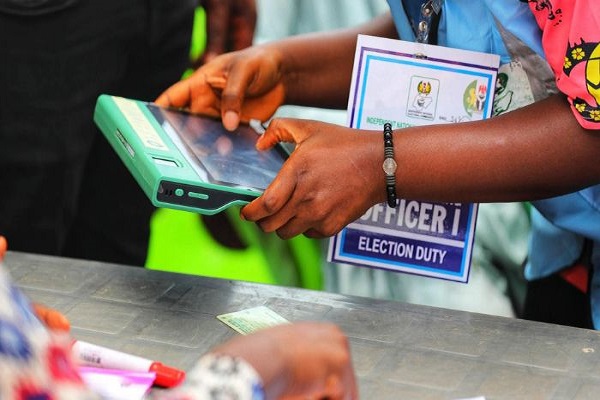
Technology is expected to play a central role, especially the continued use of the Bimodal Voter Accreditation System (BVAS).
Experts believe BVAS can reduce multiple voting and improve the accuracy of accreditation but warn that proper testing and timely deployment are necessary to avoid technical issues on election day.
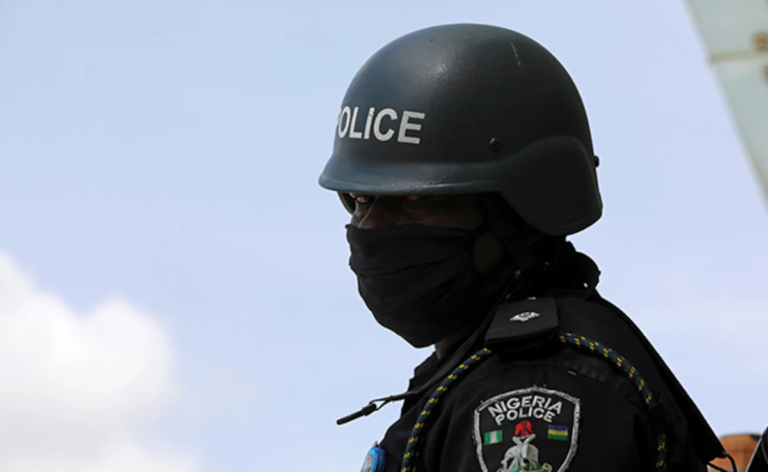
Security agencies are also being urged to maintain neutrality and professionalism to prevent intimidation and disruptions at polling units. Civil society groups continue to call for stricter action against vote-buying and financial inducements that undermine credibility.
With rising public interest, voter education campaigns are gaining momentum as groups encourage citizens to participate peacefully and defend the integrity of the process.
About the Author