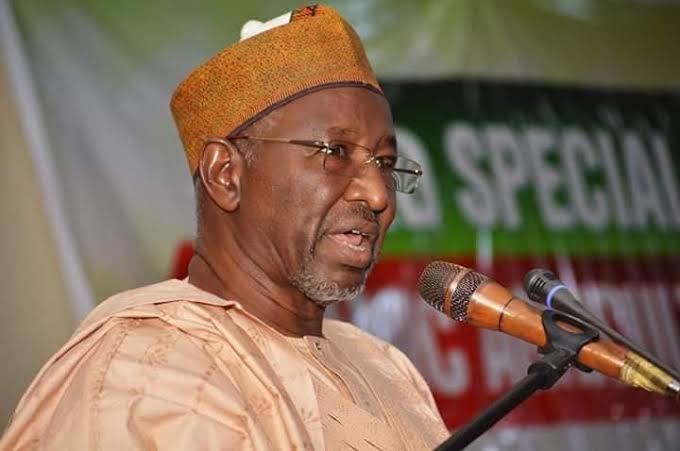
Dr. Usman Bugaje, an Islamic scholar and political activist, has alleged that attempts to block the mandatory electronic transmission of election results are part of a deliberate plan to rig future elections and give undue advantage to certain political interests.
Bugaje made the allegation while speaking on Arise Television’s Morning Show, where he faulted arguments against real-time electronic transmission of results, describing them as weak excuses aimed at undermining Nigeria’s electoral process.
According to him, claims that the Independent National Electoral Commission (INEC) lacks the capacity to transmit results electronically do not hold water, especially in an era where digital transactions and communication thrive even in remote communities.
He argued that it is not the responsibility of lawmakers to determine INEC’s operational capacity, stressing that the electoral body has repeatedly stated that it is capable of transmitting results electronically.
Related News:
Peter Obi Declares Intention to Contest 2027 Presidential Election
Internal Party Crises:Leadership Battles Are Weakening Nigerian Politics
Many political appointees can’t read proper speech, Sotayo says
Wike, NLC, TUC Settle Dispute, Direct FCT Workers Back to Work
Bugaje questioned why the Senate would speculate about INEC’s alleged inability to conduct real-time transmission when experts have confirmed that network coverage across the country is sufficient to support the process.
Citing the widespread use of POS machines, mobile phones, and internet-based communication platforms across Nigeria, he insisted that electronic transmission of results is both feasible and necessary to protect the integrity of elections.
The political activist further recalled controversies surrounding the 2023 general elections, particularly issues linked to result transmission, noting that unresolved questions from that experience continue to fuel public distrust.
Bugaje warned that blocking electronic transmission in the 21st century, despite technological advancements, raises serious concerns about the true intentions of those pushing for such changes, insisting that the move is designed to weaken the electoral system and open the door to manipulation.
About the Author