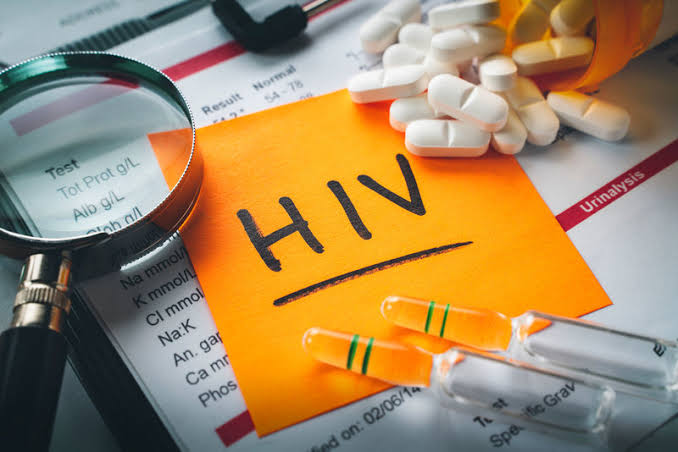
South Africa, Eswatini, and Zambia have begun administering a revolutionary HIV-prevention injection, lenacapavir, marking Africa’s first public rollout of the drug in the region with the world’s highest HIV burden. Taken twice a year, the injectable reduces the risk of HIV transmission by over 99.9%, rivaling the effectiveness of a vaccine.
In South Africa, a Wits University research unit is overseeing the initial rollout through a Unitaid-funded programme, making it one of the earliest real-world uses of the six-monthly drug in low- and middle-income countries. While the number of first recipients hasn’t been disclosed, a nationwide rollout is planned for next year.
Zambia and Eswatini, which recently received 1,000 doses via a US-supported initiative, also launched the injection on World AIDS Day. Gilead Sciences, the manufacturer, has pledged to provide lenacapavir at no profit to two million people in high-burden countries over three years.
Critics warn, however, that demand far outstrips supply, noting that the US commercial price of $28,000 per person annually is out of reach for most Africans.
According to 2024 UNAIDS data, eastern and southern Africa account for roughly 52% of the 40.8 million people living with HIV worldwide.
About the Author