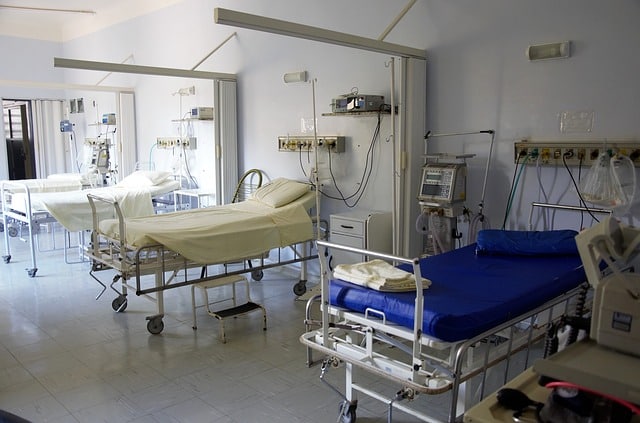
Nigeria’s health sector is facing a worsening crisis as observers warn that years of federal government neglect, inadequate funding, and weak policy implementation are crippling healthcare delivery across the country.
Health workers and policy analysts say many public hospitals now struggle with poor infrastructure, insufficient medical supplies, and persistent manpower shortages.
The situation has been linked to consistently low budgetary allocation to health, which has remained below international benchmarks for several years. Analysts note that many facilities operate with outdated equipment, while several projects and reforms are either delayed or abandoned due to weak accountability and poor monitoring of public spending.
Stakeholders also point to the continued migration of doctors, nurses, and other professionals to countries offering better pay and working conditions, a trend that has widened service gaps, particularly in rural and underserved communities.
The impact on citizens has been significant, with overcrowded hospitals, long waiting times, and rising out-of-pocket medical costs pushing many families toward private care or self-medication.
Public health experts warn that the strain on the system is contributing to preventable illnesses and avoidable deaths.
Stakeholders are calling for increased investment, improved welfare for health workers, better infrastructure, and stronger coordination across all levels of government to reverse the decline.
About The Author